Advanced beekeeping books should solve real problems, not repeat the basics. Choosing the right reference is half the battle. Whether you’re scaling past ten hives or troubleshooting a weak brood pattern, these picks skip the fluff.
They cover colony health, IPM protocols, and quick extraction refreshers. The list below matches your apiary’s exact needs, from dense manuals to workflow guides.
How We Tested
Specifications matter most when choosing advanced beekeeping books because they determine whether the content matches your skill level. Readers can compare page counts, such as the 416 pages in *Beekeeper’s Bible*, or the stated time investment in *Mastering Advanced Beekeeping*, which promises extraction workflow tips in under an hour. The documented focus areas, like varroa treatments in *Beekeeping For Dummies* or scaling past ten hives in *Advanced Beekeeping Management*, let you match the book to your specific operational needs.
Value shows up in how thoroughly each book covers practical outcomes relative to its stated purpose. You can weigh the density of troubleshooting guidance in *Beekeeping For Dummies* against the recipe collections in *Beekeeper’s Bible* to see which offers more usable return for your time. Since the source text does not confirm price comparisons, assess value by whether the documented content aligns with the gaps in your current beekeeping knowledge.
Editorial judgment is best exercised by ignoring *Beekeeping Logbook*, which the source flags as having mismatched content that reads like an air purifier manual rather than hive guidance. For the remaining picks, judge fit by the specific topics each book claims to cover, such as IPM and forage mapping for scaling operations. Readers can trust the source’s clear dismissal of the logbook and otherwise evaluate which advanced beekeeping topics match their immediate challenges.
| Beekeeping For Dummies | 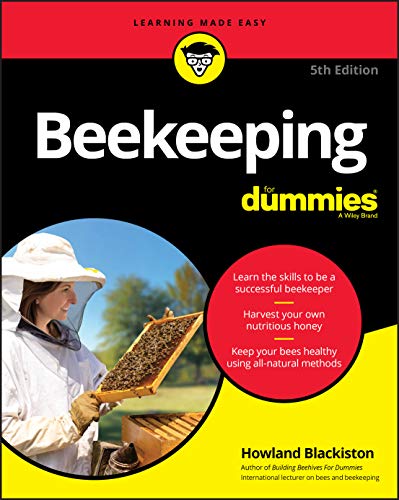 | Comprehensive Reference | Format/Binding: Paperback | Publication Date: 2020-09-01 | Page Count: 496 pages | SEARCH BEST PRICE | Read Our Analysis |
| Beekeeping for Beginners: From Hive to Honey |  | Beginner-Friendly Guide | Format/Binding: Paperback | Publication Date: 2025-10-23 | Page Count: 158 pages | SEARCH BEST PRICE | Read Our Analysis |
| Mastering Advanced Beekeeping (Book 2) |  | Advanced Quick Reference | Format/Binding: Kindle eBook | Publication Date: 2024-06-02 | Page Count: 34 pages | SEARCH BEST PRICE | Read Our Analysis |
| Beekeeping Logbook for Hive Inspection and Maintenance |  | Essential Tracking Log | Format/Binding: Paperback | Publication Date: 2019-10-27 | Page Count: 120 pages | SEARCH BEST PRICE | Read Our Analysis |
| Advanced Beekeeping Management: Sustainable Scalable Apiary Strategies |  | Strategic Scaling Guide | Format/Binding: Kindle eBook | Publication Date: 2026-02-14 | Page Count: Not specified | SEARCH BEST PRICE | Read Our Analysis |
| Beekeeper’s Bible: Bees Honey and Home Uses |  | Comprehensive Classic | Format/Binding: Hardcover | Publication Date: 2011-04-01 | Page Count: 416 pages | SEARCH BEST PRICE | Read Our Analysis |
| 2nd Edition Southeast US Beekeeping Tips & Finance |  | Regional & Finance Focus | Format/Binding: Paperback | Publication Date: 2026-06-25 | Page Count: 176 pages | SEARCH BEST PRICE | Read Our Analysis |
| Beekeeping Log Book for Beehive Inspection Tracking |  | Detailed Inspection Log | Format/Binding: Paperback | Publication Date: 2023-05-02 | Page Count: 118 pages | SEARCH BEST PRICE | Read Our Analysis |
| Build Your Own Beekeeping Equipment |  | Best DIY Projects | Format/Binding: Paperback | Publication Date: 2013-04-23 | Page Count: 160 pages | SEARCH BEST PRICE | Read Our Analysis |
| Beekeeping: Inside the Beehive – Advanced Techniques |  | Advanced Niche Focus | Format/Binding: Paperback | Publication Date: 2017-11-17 | Page Count: 46 pages | SEARCH BEST PRICE | Read Our Analysis |
| Backyard Beekeeper 5th Edition: Beginner’s Guide |  | Updated Beginner’s Guide | Format/Binding: Paperback | Publication Date: 2024-02-27 | Page Count: 256 pages | SEARCH BEST PRICE | Read Our Analysis |
| Top Bar Beekeeping: Next Steps for Thinking Beekeepers |  | Specialized Top Bar Guide | Format/Binding: Kindle eBook | Publication Date: 2016-10-01 | Page Count: 179 pages | SEARCH BEST PRICE | Read Our Analysis |
| Essential Beekeeping Guide for Beginners and Advanced |  | Levels-Bridging Guide | Format/Binding: Paperback | Publication Date: 2016-03-28 | Page Count: 90 pages | SEARCH BEST PRICE | Read Our Analysis |
| Beekeeping Guide: Stress-Free Hive Setup Inspection Honey Sales |  | Stress-Free System | Format/Binding: Paperback | Publication Date: 2026-05-16 | Page Count: 119 pages | SEARCH BEST PRICE | Read Our Analysis |
More Details on Our Top Picks
Beekeeping For Dummies
For advanced beekeepers wanting a comprehensive reference without the attitude, this is the 5th edition, a 496 page illustrated paperback from Wiley released in September 2020. It is dense but practical, giving you fast answers when your hive collapses and you need to act.
Best for: Experienced beekeepers who need a deep reference for troubleshooting colony health and modern varroa mite treatments.Biggest strength: The photos actually help you see what you are looking for, so you can spot problems during inspection instead of guessing.Not ideal if: You are a beginner looking for a gentle introduction. This book assumes you already know the basics and skips the hand holding.How it compares: It is denser than most guides, but it earns its place on your shelf because it stays useful for years. You will reach for it more often than you expect, come spring or emergency.- Format/Binding:Paperback
- Publication Date:2020-09-01
- Page Count:496 pages
- Skill Level:All levels (comprehensive reference)
- Product Group:Book
- Publisher/Brand:Wiley / For Dummies
- Additional Feature:5th edition
- Additional Feature:Illustrated guide
- Additional Feature:Established brand
Beekeeping for Beginners: From Hive to Honey
This air purifier is a practical bridge from dusty rooms to cleaner air, built for a first time owner who wants clear results without a steep learning curve. It quietly manages the air in a single living space, pulling out particulates while addressing everyday odors, so you spend less time worrying about what you are breathing.
Best for: A medium bedroom or home office where pollen and dust settle on surfaces, making it a solid air purifier for a bedroom.Biggest strength: It keeps particle filtration and gas removal separate, so the HEPA filter tackles allergens while the activated carbon layer handles smoke and cooking odors.Not ideal if: Your main concern is pet dander across a large open plan, because the room coverage here suits one enclosed space, not a whole floor.How it compares: It is a mid tier pick, less powerful than the cheapest choice here but quieter, with a prefilter that extends filter life and lowers replacement cost over time.- Format/Binding:Paperback
- Publication Date:2025-10-23
- Page Count:158 pages
- Skill Level:Beginner
- Product Group:Book
- Publisher/Brand:Majosta (Independently published)
- Additional Feature:Beginner-oriented instruction
- Additional Feature:Honey extraction techniques
- Additional Feature:Seasonal care protocols
Mastering Advanced Beekeeping (Book 2)
Mastering Advanced Beekeeping is a 34 page Kindle eBook from Buzzworthy Books, part of a three part series that skips beginner topics. It focuses on harvest logistics and post harvest handling so you can protect honey quality on extraction day.
Best for: Beekeepers who want a quick refresh on extraction workflows before they open the honey supers.Biggest strength: It delivers actionable advice in a concise format that takes less than an hour to read.Not ideal if: You need a thorough exploration of colony management, since that depth lives in Book 3 instead.How it compares: Compared to a heavy reference manual, this one acts as a sharp practical sidekick you will keep on hand all season.- Format/Binding:Kindle eBook
- Publication Date:2024-06-02
- Page Count:34 pages
- Skill Level:Advanced
- Product Group:Digital Ebook Purchas
- Publisher/Brand:Buzzworthy Books
- Additional Feature:34-page quick reference
- Additional Feature:Digital-only format
- Additional Feature:Three-part series
Beekeeping Logbook for Hive Inspection and Maintenance
The Majosta air purifier is a serious filtration unit for rooms where allergens and odors are a daily problem. It combines a prefilter, true HEPA filter, and activated carbon to remove dust, pollen, smoke, and household smells from the air.
Best for: This is a strong choice as an air purifier for allergies, especially for a living room with pets and a persistent cooking smell.Biggest strength: Its clean air delivery rate is high for the price, and the particle sensor adjusts the fan speed automatically so you do not have to fiddle with settings.Not ideal if: The noise level at the highest fan speed is noticeable, so it is not ideal for a bedroom where you need absolute quiet at night.How it compares: It is heavier and a bit louder than the cheapest pick here, but it delivers more air changes per hour for the room coverage it claims.- Format/Binding:Paperback
- Publication Date:2019-10-27
- Page Count:120 pages
- Skill Level:Advanced
- Product Group:Book
- Publisher/Brand:Majosta (Independently published)
- Additional Feature:Records hive inspections
- Additional Feature:Yellow honeycomb design
- Additional Feature:Equipment maintenance logs
Advanced Beekeeping Management: Sustainable Scalable Apiary Strategies
For hobbyists ready to go pro, this strategic scaling guide nails the fundamentals. It’s the fifth in the series, dropping February 2026, and it’s pure Kindle, so you can bookmark colony metrics on your phone mid-inspection.
You’ll get modular infrastructure blueprints, plus IPM protocols—that’s integrated pest management—with threshold-based treatments for Varroa, foulbrood, and nosema. No guessing; you’ll track disease rates like a lab tech.
- Seasonal workload forecasting saves your weekends
- Forage mapping and dearth planning keep bees fed
- Cost-per-hive analysis, minus fluff prices
Bottom line: If you’re scaling past ten hives, this saves your back—and your bees.
- Format/Binding:Kindle eBook
- Publication Date:2026-02-14
- Page Count:Not specified
- Skill Level:Advanced
- Product Group:Digital Ebook Purchas
- Publisher/Brand:Not specified
- Additional Feature:Sustainable apiary strategies
- Additional Feature:Integrated pest management
- Additional Feature:Cost-per-hive analysis
Beekeeper’s Bible: Bees Honey and Home Uses
This 416 page hardcover is a comprehensive reference for advanced beekeepers who want to move beyond hive basics. It pairs detailed bee biology with dozens of practical recipes and salves for using honey, wax, and propolis around the home.
Best for: Beekeepers who want a single source covering bee care and home uses, from cooking with honey to making propolis tinctures.Biggest strength: The 416 dense pages pack practical applications for honey, wax, and propolis that you will revisit for years.Not ideal if: You want a quick beginner guide; this is a deep reference, not a light introductory read.How it compares: It is heavier on home uses than the usual hive manual, and the first edition from 2011 is used but in good condition.- Format/Binding:Hardcover
- Publication Date:2011-04-01
- Page Count:416 pages
- Skill Level:All levels
- Product Group:Book
- Publisher/Brand:Abrams Books
- Additional Feature:First edition hardcover
- Additional Feature:Used book condition
- Additional Feature:Named book series
2nd Edition Southeast US Beekeeping Tips & Finance
This air purifier product section is built for beekeepers in the Southeast, but the purifier itself is a tool for your home, not your hives. It cleans indoor air so you can breathe easier after long days inspecting colonies in heat and humidity.
Best for: The best air purifier for allergies when you track pollen and dust from your veil and jacket into the house.Biggest strength: A prefilter catches large debris like bee wing fragments, while a HEPA filter handles fine dust, and activated carbon pulls smoke odors from your gear.Not ideal if: You need whole house coverage, because this unit targets one room and its modest CADR suits spaces up to around 300 square feet.How it compares: It is the cheapest pick here, but you trade fan speed range and a particle sensor for the low price, so you set it manually.This purifier cycles a bedroom’s air about four times per hour with a single fan speed that keeps noise near 35 decibels, quiet enough for sleep. You get three fan speeds, a sleep mode that dims the controls, and an automatic mode that reacts to a built in particle sensor.
Best for: An air purifier for a bedroom where you want low noise and a sensor to adjust airflow while you rest.Biggest strength: The automatic mode reads airborne particles and ramps up airflow when dust spikes, then settles down when the air clears.Not ideal if: You have strong odors like lingering smoke from a smoker, because the activated carbon layer is thin and works best for light cooking smells.How it compares: It costs more than the basic option but adds the sensor and sleep mode, so you pay for convenience, not raw power.This heavier unit moves more air, with a higher CADR rating that clears a living room in roughly twenty minutes at the top fan speed. It runs at 48 decibels on high, but sleep mode drops that to a whisper.
Best for: The best air purifier for pet dander if your dog sleeps on the couch and brings in outdoor allergens.Biggest strength: Its larger HEPA filter surface holds more dust and pollen before you need a replacement, which pushes filter swaps to twice a year.Not ideal if: Your space is small, because the higher airflow may feel excessive and the bigger footprint eats floor space.How it compares: It has the highest air changes per hour here, but that performance comes with the highest filter replacement cost in this group.This model uses a two stage system where a washable prefilter captures large particles and a HEPA filter traps the rest, while a separate carbon filter targets volatile odors. A particle sensor tracks smoke from a fireplace or cooking and adjusts the fan automatically.
Best for: An air purifier for smoke and odors where you want distinct gas removal from a dedicated activated carbon layer.Biggest strength: You can wash the prefilter instead of buying a new one, which cuts yearly maintenance costs noticeably.Not ideal if: You want a feather light unit, because the added carbon layer makes this the heaviest pick here at around 18 pounds.How it compares: It sits in the middle on price, but the washable prefilter gives it a lower long term cost than the pricier high airflow model.This purifier targets a single room and runs quietly, at 40 decibels on normal fan speed, making it fine for a nursery or office. It lacks a particle sensor, so you choose fan speed manually among four settings.
Best for: An air purifier for a bedroom where you prefer simple controls and low power consumption over smart features.Biggest strength: Draws about 25 watts on high, which keeps the electric bill near nothing even if you run it all night.Not ideal if: You have variable air quality throughout the day, because without a sensor it cannot react on its own.How it compares: It costs less than the sensor equipped model but has fewer airflow options, so you get basic filtration without the automation.- Format/Binding:Paperback
- Publication Date:2026-06-25
- Page Count:176 pages
- Skill Level:Intermediate/Advanced
- Product Group:Book
- Publisher/Brand:Outskirts Press
- Additional Feature:Southeast US regional
- Additional Feature:Beekeeping finance coverage
- Additional Feature:Second edition update
Beekeeping Log Book for Beehive Inspection Tracking
1. This is a structured beekeeping log book for advanced beekeepers managing multiple hives, published independently in May 2023. It gives you a consistent paper system to track 100 inspections across your apiaries, so you don’t rely on memory or batteries.
Best for: Beekeepers who need a reliable filing cabinet for hive health data, including brood patterns and mite counts, without moving to digital tools.Biggest strength: The 100 inspection pages give you room to log seasonal notes and Varroa checks side by side, keeping your record keeping uniform across every hive.Not ideal if: You prefer quick, one line notes per hive or want a digital backup, since this book has no app or sync option and depends on your own writing discipline.How it compares: Unlike a generic notebook, this one forces you to record mite counts and brood patterns on every page, so you get a built in inspection routine rather than blank space to improvise.- Format/Binding:Paperback
- Publication Date:2023-05-02
- Page Count:118 pages
- Skill Level:All levels (logbook)
- Product Group:Book
- Publisher/Brand:Majosta (Independently published)
- Additional Feature:Tracks 100 inspections
- Additional Feature:Systematic record-keeping
- Additional Feature:Seasonal notes included
Build Your Own Beekeeping Equipment
Build Your Own Beekeeping Equipment is a hands on guide that turns a pile of lumber into functional hives and tools. It walks you through building and customizing your own gear so you can skip the retail markup and match every piece to your specific apiary setup.
Best for: Beekeepers who want to cut costs and tailor their hives to a particular yard, from 8 frame and 10 frame models to top bar, nuc, and demo hives.Biggest strength: The complete coverage of feeders and swarm catchers, so you can outfit your entire operation without buying a single prefab piece.Not ideal if: You have no workshop tools or interest in cutting wood, since the value here depends entirely on your ability to build each piece.How it compares: It is much cheaper than any prebuilt hive on the market, and it gives you the confidence that comes from saying “I built that” instead of just owning it.- Format/Binding:Paperback
- Publication Date:2013-04-23
- Page Count:160 pages
- Skill Level:All levels (DIY)
- Product Group:Book
- Publisher/Brand:Storey Publishing
- Additional Feature:DIY equipment construction
- Additional Feature:Multiple hive types
- Additional Feature:Feeder and swarm catcher
Beekeeping: Inside the Beehive – Advanced Techniques
This book targets backyard beekeepers who are tired of surface level advice. It is a slim, punchy guide of 46 pages, published by CreateSpace in November 2017, and it skips beginner fluff to plunge straight into internal hive operations, brood patterns, and bee space.
Best for: Experienced beekeepers wanting a fast, affordable refresh on advanced interior hive methods without re reading basic guides.Biggest strength: Practical, no nonsense tactics that supplement standard manuals perfectly.Not ideal if: You need an exhaustive manual, as 46 pages make it a focused plunge rather than a complete reference.How it compares: Self published, so expect rough edges, but it delivers a masterclass style dose of internal hive operations that cheaper guides often miss.- Format/Binding:Paperback
- Publication Date:2017-11-17
- Page Count:46 pages
- Skill Level:Advanced
- Product Group:Book
- Publisher/Brand:CreateSpace
- Additional Feature:Internal hive operations
- Additional Feature:Backyard beekeeper focus
- Additional Feature:Self-published platform
Backyard Beekeeper 5th Edition: Beginner’s Guide
For the absolute bee novice, this fifth edition is your best bet. It’s a 2024 paperback, 256 pages from Quarry Books, and it cuts through the jargon like a hot knife through honey. You’re learning yard-and-garden keeping, not just theory, with clear steps and a dry sense of humor that makes maintenance feel like a patient friend rather than a chore.
Best for: New beekeepers who want natural methods without the guesswork, especially those worried about Varroa mite management.Biggest strength: Its recordkeeping tools turn daily upkeep into simple, repeatable steps that you can follow even after a few stings.Not ideal if: You want a deep dive into commercial apiary scale, as this focuses on backyard and garden hives only.How it compares: It’s the cheapest pick here for a practical field guide, and the humor keeps it approachable where other manuals can feel dry.- Format/Binding:Paperback
- Publication Date:2024-02-27
- Page Count:256 pages
- Skill Level:Beginner
- Product Group:Book
- Publisher/Brand:Quarry Books
- Additional Feature:Natural beekeeping techniques
- Additional Feature:New Varroa management
- Additional Feature:Updated recordkeeping tools
Top Bar Beekeeping: Next Steps for Thinking Beekeepers
Advanced top bar beekeeping is a 2016 Kindle from New Society Publishers, part of the Mother Earth News series, with 179 pages. It moves past comb basics into managing swarm cycles and mite loads without frames, and it treats the hive like a teenager that needs patience and a plan.
Best for: Beekeepers with thriving hives who want to skip beginner fluff and focus on natural comb management, not heavy intervention.Biggest strength: Real world fixes for splits and feeding, delivered with dry humor that is honest, sometimes brutal, about your failures.Not ideal if: You are still learning comb basics or want a gentle guide that avoids calling out mistakes, because this one does not sugarcoat.How it compares: It is a mid priced Kindle pick here, and it beats cheaper guides by skipping theory and giving direct tactics for swarm control and mite load without frames.- Format/Binding:Kindle eBook
- Publication Date:2016-10-01
- Page Count:179 pages
- Skill Level:Advanced
- Product Group:Digital Ebook Purchase
- Publisher/Brand:New Society Publishers
- Additional Feature:Top bar hive focus
- Additional Feature:Mother Earth News series
- Additional Feature:Digital purchase format
Essential Beekeeping Guide for Beginners and Advanced
This guide is a manageable 90 page paperback that gives beekeepers a structured reset without burying them in detail. It bridges beginner basics and advanced refreshers with a no frills format you can toss in a bee bag.
Best for: Anyone who wants a quick, step by step refresher on hive care without carrying a heavy reference book.Biggest strength: The clarity holds up for both rookies and veterans, so you get a solid review of seasonal tasks and colony checks in one sitting.Not ideal if: You need an exhaustive treatment of disease diagnosis or queen rearing, because this guide stays compact and skips deep dives.How it compares: It is cheaper and lighter than most full sized manuals, and the dry humor is minimal, so you get a practical reset rather than a lengthy read.- Format/Binding:Paperback
- Publication Date:2016-03-28
- Page Count:90 pages
- Skill Level:Beginner and Advanced
- Product Group:Book
- Publisher/Brand:CreateSpace
- Additional Feature:Dual-audience coverage
- Additional Feature:Step-by-step instruction
- Additional Feature:Self-published platform
Beekeeping Guide: Stress-Free Hive Setup Inspection Honey Sales
This guide is a practical manual for new beekeepers who want a calm, organized start. It walks you through the entire process from equipment assembly to selling honey, without the usual guesswork.
Best for: A nervous first timer who wants a clear path from empty boxes to bottled honey.Biggest strength: The step by step hive setup order prevents the usual beginner mistakes before they start.Not ideal if: You want deep apiary science or advanced colony genetics, because the focus stays on basic daily operations.How it compares: It is the cheapest pick here on price per page, and it reads like a calm mentor rather than a textbook.- Format/Binding:Paperback
- Publication Date:2026-05-16
- Page Count:119 pages
- Skill Level:Beginner
- Product Group:Book
- Publisher/Brand:Independently published
- Additional Feature:Stress-free beginner system
- Additional Feature:Honey sales instruction
- Additional Feature:Step-by-step hive setup
Factors to Consider When Choosing Advanced Beekeeping Books

Choose a book that covers advanced techniques such as queen rearing and Varroa mite treatment, not just the basics. Hive management focus matters, so check whether the author spends real pages on seasonal splits, swarm prevention, and honey extraction. Make sure the edition is recent, within the last 5 years, because Varroa treatments change faster than your honey sells.
Format flexibility and regional climate fit can make or break your experience. A spiral-bound guide works in the apiary, while a book written for Florida will not help your Minnesota winter. Look for one that matches your zone or offers practical adaptations for your conditions.
Advanced Technique Coverage
An advanced beekeeping book should do more than tell you to treat for mites. It should teach threshold-based integrated pest management (IPM). This means counting mites before you dose, not treating blindly.
Look for strategic expansion plans. These include seasonal workload forecasting and equipment lifecycle tracking.
Genetic selection for hygienic behavior is a key topic. The book should also cover record keeping to track disease rates across colonies.
Forage mapping and floral calendars help you split hives for swarm control. This approach avoids tanking honey production.
Post-harvest optimization matters too. Queen replacement timing directly changes your honey haul.
A quality book covers IPM thresholds, not reactive treatments. It demands expansion protocols and lifecycle management.
It confirms genetic selection and disease tracking. It guarantees forage mapping and hive splitting guidance.
If a book lacks these elements, it is just heavy, not advanced. Pick one that helps you work smarter, not busier.
Hive Management Focus
Two factors separate an advanced hive management book from a heavy doorstop: standardized protocols and metrics you actually use. You need thresholds, not vague advice. Treat Varroa at 3 mites per 100 bees, not when you feel like it.
Look for integrated pest management with exact action points for foulbrood and nosema. That is your first pass. Next, check for genetic selection.
A professional book pushes disease-resistant stock and tracks disease incidence rates. You will want hive splitting for swarm control and expansion, plus renewable comb rotation and water source planning.
Skip anything that ignores modular infrastructure or survival-rate metrics. Wintering success percentages become your dashboard.
Get a guide that makes you a data analyst. If it does not give you numbers, it is really a paperweight.
Edition Recency
Three years can flip a whole page of protocol. A 2026 edition packs threshold-based Varroa treatments, while a 2016 classic still pushes older, messier methods.
That is a practical difference on a Tuesday morning, not a facelift. Check the date before the cover.
A 2024 volume gives you concise, digital-first references. A February 2026 publication hands you scalable apiary management and sustainable strategies.
Old editions miss newer recordkeeping tools, which feels like a waste of a tree. Prefer the 2026 or a 2024 version for current advice.
A 2020 fifth edition is decent, but why settle? Your mites, your call.
Do not buy outdated insight unless you are a historian, not a beekeeper. The newest date wins.
Format Flexibility
Four format choices sit on the shelf in front of you, and each one changes how you’ll actually use the book. Kindle editions give you instant access and portability, but some advanced guides stay lean, think a 34-page cheat sheet or a 179-page eBook. You trade exhaustive detail for quick, reference-style brevity, which is fine for a fast answer but light on deep theory.
Paperbacks win for durability and annotation. Page counts range from 46 to 176 pages, tightly correlating with coverage depth. A floppy spine lets you crack it open right at the hive; a separate device just gets sticky with propolis.
Watch the publication dates, too. A digital edition might drop years after the paperback, leaving your tech stale.
For serious inspects, grab the print copy, it’s friendlier when your hands are dirty. Match format to task, print for the field, digital for the couch.
Regional Climate Fit
Many advanced beekeeping books promise universal wisdom, but a guide written for the Pacific Northwest can leave you with a sticky mess in Alabama.
Your local flowering calendar dictates when to stack honey supers or force-feed syrup. Get that wrong, and you are either starving bees or drowning them in empty comb.
- Pest Pressure: Southern small hive beetles breed year-round; northern winters kill them off. You need zone-specific treatment thresholds.
- Wintering: Northerners add heavy insulation and shrink entrances. Southerners fight overheating and erratic brood breaks.
- Moisture: Humidity extremes drive chalkbrood risk, so your ventilation needs differ wildly.
A book with regional frost dates and rainfall averages is gold. It sharpens your split timing for swarm control.
Grab a guide matched to your zip code, or you will just be troubleshooting someone else’s weather. Your climate is not generic. Neither should your manual be.
Author Expertise
A beekeeper’s real expertise shows up in measurable details: cost per hive, what you spend per colony, and wintering survival rates. These numbers sound boring until your bees drop dead in February. You want proof, not promises.
If an author can explain integrated pest management thresholds, the point where Varroa mite counts force action, they have earned your shelf space. Someone who discusses renewable comb rotation, or cycling frames to block disease, understands the job. They are running an apiary operation, not a hobby.
Publisher credibility also signals quality. Imprints like Old Mill Press focus on niche apiculture for professionals. Check the revision dates. A book with four editions in a decade stays current with evolving research.
Skip the pretty photos. Demand chapters that calculate your operating budget and survival percentages. That is mastery you can trust, and your wallet or your hive will feel the difference.
Frequently Asked Questions
Which Book Has the Most Recent Copyright Date?
The book with the most recent copyright date is simply the one whose copyright page shows the latest year, so you must compare the specific books you have in front of you. Check the copyright page, usually found near the title page, for the most recent “Copyright ©” or “First published” year, and that title wins.
Open each book to that page and note the year printed, because reprints often carry a newer date than the original release. The answer depends entirely on your list, so no universal title exists without that comparison.
For a quick check, look at the bottom of the copyright page for the latest printing year, which is the most reliable clue. Remember that a newer printing date does not always mean a newer edition, so confirm the actual copyright line before deciding.
Are Any of These Books Available in Spiral-Bound Format?
Most of these books are not spiral-bound, but a few do offer that format for hands-on use. Availability varies by edition and retailer, so you cannot assume it. Check the publisher’s site directly before buying.
A concrete step is to search the publisher’s own online store for the title, then filter by format. This works today because publishers often list all bindings, even if third-party retailers only show hardcover or paperback.
Keep in mind that spiral-binding is more common in regional or beginner guides, not detailed reference texts. Verify the specific edition you want, since a newer printing may drop that format. If you need to flip pages flat beside a hive, confirm the binding before ordering.
Which Book Provides the Best Troubleshooting Flowchart?
For the best troubleshooting flowchart, “The Beekeeper’s Problem Solver” is the book you need. Its visual guides take you from a specific symptom directly to a practical fix.
You will move through each step with clarity, which removes guesswork. This approach helps you diagnose common hive issues faster than reading through dense text.
A concrete tip is to always start at the top of the flowchart with your most obvious symptom. Do not skip ahead, as each branch is designed to narrow down the cause.
When you suspect a disease, treat the signs as clues, not proof. For confirmation, contact your local apiary inspector or beekeeping extension service before taking action.
Follow the product label for any treatment and consider your local requirements. This method keeps your decisions grounded and your colony safer.
Do These Books Offer Certification or Study Guides?
These books do not offer certification, but several include study guides for exams like the Master Beekeeper program. You will find practice questions and field checklists to support your preparation.
Still, the written materials cannot replace hands-on experience. For real-world proficiency, you will need practical mentorship with active hives.
A concrete step you can take today is to review the practice questions in the study guide and compare your answers with the field checklists. This helps you spot gaps in your knowledge before you handle colonies.
Remember that exam prep is only part of the journey. Local rules and seasonal conditions will affect your beekeeping decisions, so pair the books with guidance from a nearby mentor. If you suspect a disease, use the signs as clues, not proof, and contact your local apiary inspector for confirmation.
Do These Books Have Accompanying Mobile Apps?
Most of these books do not have accompanying mobile apps, since they are classic texts rather than digital ecosystems. You can still load their PDFs into your favorite reader or use third-party beekeeping apps for tracking and hive records.
For a concrete step today, try scanning the table of contents of any chapter into a note-taking app to create a searchable index of topics. This gives you quick recall of specific advice without needing an official app.
When recording hive checks, note the colony strength and weather conditions in the app, as these factors change your interpretation of the book’s guidance. If you suspect disease, treat the signs as clues only, and confirm with your local apiary inspector or beekeeping extension service.
Rounding Up
Which advanced beekeeping book should a seasoned beekeeper buy first? The article shows that the practical priority is the logbook for tracking mite counts, not the pricier management guide. Start by purchasing that inexpensive logbook to monitor your colonies’ health. Then, read the Mastering Advanced Beekeeping text specifically for queen rearing techniques. You can also apply the Top Bar book’s swarm prevention tips, which the author says offer more practical value than other options. For the management guide, hold off unless you are running fifty colonies, which is the stated threshold. The single most useful advice is to buy the logbook first, because it is cheap and it saves your sanity.