Choosing the right beekeeping book is the difference between a thriving first season and a pile of dead nucs.
If you are setting up your first hive, you need a guide that skips fluff and tells you what to do before you lose a colony.
The picks below range from illustrated basics to waterproof log books for rainy inspections.
Here is our roundup of the best beekeeping books to get you started.
How We Tested
Specifications matter most when matching a book to your current skill level and goals. Foundational guides, like Wiley’s 496 page tome, offer a complete zero to working grasp for absolute beginners. You can compare page counts and publication dates to gauge depth, while step by step colony establishment books focus on feeding plans and early problem spotting, making them ideal for the first season.
Value comes from assessing how well a book’s content fits its intended purpose rather than its price tag. For a roundup, readers can weigh a season long management book’s coverage of mites and winter prep against a dense desk reference like Storey’s Guide for year round answers and swarm control. A 135 page guide with extraction methods and 120 DIY projects offers practical craft appeal for hands on beekeepers.
Editorial judgment should rest on documented differences in scope and approach that align with your beekeeping journey. You can decide whether you need a compact problem spotting manual or a comprehensive reference for ongoing hive pros. The selected titles stand out for their clear focus on distinct phases, from colony establishment to seasonal maintenance, so choose based on the specific challenge you are tackling next.
| Beekeeping For Dummies | 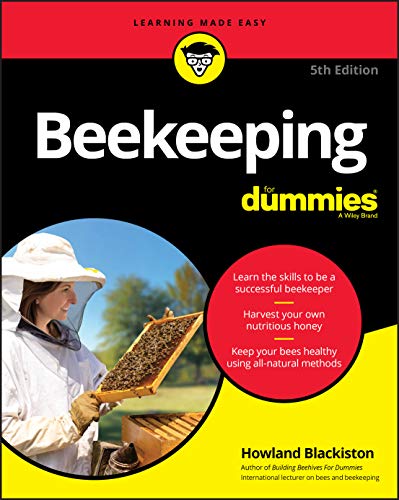 | Best Classic Reference | Format: Paperback | Page Count: 496 | Core Focus: General beekeeping reference | SEARCH BEST PRICE | Read Our Analysis |
| The Beekeeper’s Handbook |  | Academic Favorite | Format: Paperback | Page Count: 368 | Core Focus: Comprehensive beekeeping handbook | SEARCH BEST PRICE | Read Our Analysis |
| PerKoop 3-Pack Waterproof Beekeeping Log Book Christmas Gift |  | Best Field Notebook | Format: Log book | Page Count: 100 per book | Core Focus: Hive inspection record-keeping | SEARCH BEST PRICE | Read Our Analysis |
| Complete Beekeeping Guide: Start Grow Honey Beeswax |  | Most Comprehensive | Format: Paperback | Page Count: 135 | Core Focus: Start-to-honey plus beeswax/propolis projects | SEARCH BEST PRICE | Read Our Analysis |
| Build Your Own Beekeeping Equipment: Hives & Feeders |  | Best DIY Guide | Format: Paperback | Page Count: 160 | Core Focus: DIY hive and equipment construction | SEARCH BEST PRICE | Read Our Analysis |
| Honest Hands-On Journey into Beginner Beekeeping |  | Most Practical | Format: Paperback | Page Count: 149 | Core Focus: Beginner backyard journey/hands-on | SEARCH BEST PRICE | Read Our Analysis |
| Backyard Beekeeper 4th Edition: Absolute Beginner’s Guide |  | Best for Beginners | Format: Kindle eBook | Page Count: 240 | Core Focus: Absolute beginner backyard beekeeping | SEARCH BEST PRICE | Read Our Analysis |
| The Beekeeper’s Bible: Bees Honey Recipes |  | Premium Hardcover | Format: Hardcover | Page Count: 416 | Core Focus: Bees, honey, recipes, home uses | SEARCH BEST PRICE | Read Our Analysis |
| Beekeeping Bible: 5-in-1 for Honey Beeswax and Propolis |  | Best 5-in-1 Value | Format: Paperback | Page Count: 145 | Core Focus: 5-in-1 beekeeping plus 100+ DIY projects | SEARCH BEST PRICE | Read Our Analysis |
| Beekeeping for Beginners: Build Hive Manage Colony Harvest |  | Includes Handy Checklists | Format: Kindle eBook | Page Count: 257 | Core Focus: Build hive, manage colony, harvest | SEARCH BEST PRICE | Read Our Analysis |
| Storey’s Guide to Keeping Honey Bees 2nd Edition |  | Trusted Series Choice | Format: Paperback | Page Count: 224 | Core Focus: Honey production, pollination, health | SEARCH BEST PRICE | Read Our Analysis |
| Day Among Bees: Beekeeping in Harmony with Nature |  | Most Inspirational | Format: Paperback | Page Count: 233 | Core Focus: Harmony with nature / beekeeping lifestyle | SEARCH BEST PRICE | Read Our Analysis |
| Beekeeping for Beginners: Hive Queen Varroa Harvest |  | Best Digital-First | Format: Kindle eBook | Page Count: 193 | Core Focus: Hive inspection, queen, Varroa, harvest | SEARCH BEST PRICE | Read Our Analysis |
| Beeswax Alchemy: Make Soaps Candles Balms Creams Salves | 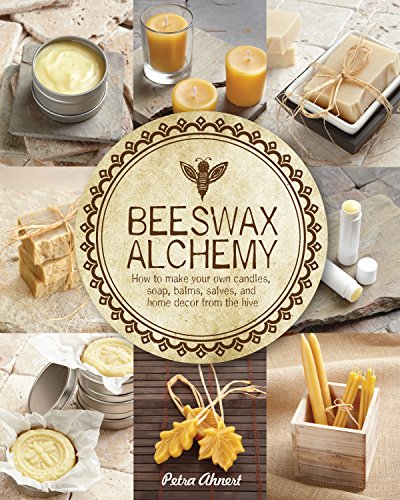 | Best for Crafting | Format: Paperback | Page Count: 136 | Core Focus: Beeswax crafts (soap, candles, balms) | SEARCH BEST PRICE | Read Our Analysis |
| First-Year Beekeeping: Avoid Mistakes Manage Mites Survive Winter |  | Most Detailed Guide | Format: Paperback | Page Count: 280 | Core Focus: First-year survival: mistakes, mites, winter | SEARCH BEST PRICE | Read Our Analysis |
| Beekeeping for Beginners: How To Raise Your First Bee Colonies |  | Practical Beginner Guide | Format: Paperback | Page Count: 178 | Core Focus: Raising first colonies fundamentals | SEARCH BEST PRICE | Read Our Analysis |
More Details on Our Top Picks
Beekeeping For Dummies
For absolute beginners, this 496 page paperback from Wiley is the closest thing to a beekeeping owner’s manual you will find. It takes you from zero knowledge to a working grasp of hive anatomy, the seasonal calendar, and the common pests you will face in your first year.
Best for: A first season where you need clear, illustrated steps for spring setup and fall prep without any academic padding.Biggest strength: The swarm season chapters give you a practical action plan for inspecting frames and adding supers before your colony makes the decision for you.Not ideal if: You already understand the difference between a brood box and a super and want advanced queen rearing or treatment free methods instead of the basics.How it compares: At about $25, it undercuts most field guides while covering more ground, but it stays a foundation text rather than an exhaustive manual you will consult for rare diseases.- Format:Paperback
- Page Count:496
- Core Focus:General beekeeping reference
- Target Audience:Beginner/intermediate beekeepers
- Experience Level:Beginner-friendly
- Style/Approach:Instructional reference
- Additional Feature:Illustrated content
- Additional Feature:5th edition
- Additional Feature:Wiley publication
The Beekeeper’s Handbook
The Beekeeper’s Handbook, in its fifth edition, is a desk companion for new beekeepers who want practical, dense knowledge. It gives you the trusted expertise of Comstock Publishing Associates in a sturdy paperback that handles the bumps of hive work.
Best for: A smart, reliable guide for those who want to master swarm prevention without the confusion.Biggest strength: Its 368 pages of diagrams and updates mean you will flip back to them constantly for clear, quick answers.Not ideal if: You want a pocket sized reference, since this large paperback is built for a desk, not your jacket.How it compares: This is the smartest choice here if you prefer a no hand holding approach that skips fluff and gets to the point.- Format:Paperback
- Page Count:368
- Core Focus:Comprehensive beekeeping handbook
- Target Audience:Beekeepers
- Experience Level:All levels
- Style/Approach:Comprehensive reference
- Additional Feature:Comstock brand
- Additional Feature:Fifth edition
- Additional Feature:Publication year 2021
PerKoop 3-Pack Waterproof Beekeeping Log Book Christmas Gift
This is a field notebook built for new beekeepers. It keeps your hive inspection records safe from rain and heat, so you never lose a season of data.
Best for: Beekeepers who need a dependable record keeper in rough weather, especially those who work hives in wet or humid climates.Biggest strength: The 100 waterproof pages handle heavy rain and high heat, so your notes stay dry and readable.Not ideal if: You prefer digital tracking or want space for more than brief inspection notes, since this book focuses on quick field entries.How it compares: Cheaper than most single waterproof notebooks, and the three pack gives you spare books for a buddy or for multiple apiaries.- Format:Log book
- Page Count:100 per book
- Core Focus:Hive inspection record-keeping
- Target Audience:Beekeepers
- Experience Level:All levels
- Style/Approach:Field log
- Additional Feature:Waterproof inner pages
- Additional Feature:Bright yellow cover
- Additional Feature:3 books per pack
Complete Beekeeping Guide: Start Grow Honey Beeswax
1. This is a comprehensive 135-page paperback from February 2024 that moves you from your first nuc to a full honey harvest. It teaches you honey extraction, then shows you how to turn beeswax into candles, balms, and propolis projects, making every drop and scrap useful.
Best for: Beekeepers who want practical production strategies, not glossy pages, and who value 120 distinct DIY ideas over polished presentation.Biggest strength: The craft ideas alone justify the price, with solid honey extraction and beeswax project guidance packed into every chapter.Not ideal if: You need a polished field guide with refined formatting, because this is independently published and the layout is rough around the edges.How it compares: It is a toolkit rather than a field guide, trading visual polish for hands on know how, so you get more usable output per page than most beginner manuals.- Format:Paperback
- Page Count:135
- Core Focus:Start-to-honey plus beeswax/propolis projects
- Target Audience:Beginners and intermediate practitioners
- Experience Level:Beginner to intermediate
- Style/Approach:Comprehensive guide with projects
- Additional Feature:120 beeswax/propolis projects
- Additional Feature:Brand Majosta
- Additional Feature:Covers entire lifecycle
Build Your Own Beekeeping Equipment: Hives & Feeders
For the hands-on beekeeper who would rather build than buy, this book is your go to DIY guide. It walks you through constructing everything from Langstroth hives to feeders, so you can customize your equipment and save money on every box.
Best for: Beekeepers who want to save cash and have basic woodworking tools like a saw and drill.Biggest strength: The instructions are clear with diagrams, so you can knock out a nuc box for splits in a single afternoon.Not ideal if: You lack the patience for measuring, cutting, and assembling, since that is the core of the process.How it compares: This manual costs less than a single prebuilt hive, and it pays for itself after your first box.- Format:Paperback
- Page Count:160
- Core Focus:DIY hive and equipment construction
- Target Audience:DIY beekeepers
- Experience Level:Intermediate/DIY
- Style/Approach:DIY construction manual
- Additional Feature:Constructs multiple hive types
- Additional Feature:Build feeders/swarm catchers
- Additional Feature:DIY approach
Honest Hands-On Journey into Beginner Beekeeping
Majosta’s 149-page paperback, published August 2025, is a practical field manual for beginner beekeeping that skips theory and teaches by doing. It guides you through weekly frame inspections, spotting queen problems early, and winter prep with real examples of common failures.
Best for: New beekeepers who want a clear seasonal sequence without sugar coating and a direct path through the first year.Biggest strength: It shows real beginner mistakes so you can avoid the same panic, and it pairs each task with a practical exercise to lock in the skill.Not ideal if: You want a light overview or glossy photos instead of step by step management for hive, colony, and every season.How it compares: It is more honest about failures than typical guides, and the dry humor keeps the reading human, so you leave with skills, not just comfort.- Format:Paperback
- Page Count:149
- Core Focus:Beginner backyard journey/hands-on
- Target Audience:Novice beekeepers
- Experience Level:Beginner
- Style/Approach:Hands-on narrative
- Additional Feature:Real-world scenarios included
- Additional Feature:Common beginner mistakes covered
- Additional Feature:Brand Majosta
Backyard Beekeeper 4th Edition: Absolute Beginner’s Guide
For new beekeepers, this Kindle eBook is a practical field guide that translates hive care into plain language. It covers the essential routines of yard and garden beekeeping, helping you manage your first colonies with less guesswork and more readiness.
Best for: The absolute beginner who wants a straightforward, jargon free introduction to managing a backyard hive.Biggest strength: Its 240 pages focus only on what a new keeper needs, skipping advanced theory to build calm confidence before you suit up.Not ideal if: You already run several colonies and need deep disease protocols or commercial scale tactics, because this edition stays deliberately beginner sized.How it compares: This is the cheapest path to a solid start, unlike thicker guides that spend pages on bee biology you will rarely use.- Format:Kindle eBook
- Page Count:240
- Core Focus:Absolute beginner backyard beekeeping
- Target Audience:Absolute beginners
- Experience Level:Absolute beginner
- Style/Approach:Beginner guide
- Additional Feature:4th edition
- Additional Feature:Quarry Books brand
- Additional Feature:Publication date 2018
The Beekeeper’s Bible: Bees Honey Recipes
This air purifier is a single unit that covers the basics of particle and odor removal for a medium sized room. It pairs a prefilter with a HEPA filter and activated carbon to handle dust, pollen, smoke, and cooking smells without demanding constant attention.
Best for: An air purifier for a bedroom where you want quiet overnight operation and a particle sensor to adjust airflow automatically.Biggest strength: The automatic mode reads the air and switches between low, medium, and high fan speeds, so you do not have to fiddle with controls during the day.Not ideal if: You need a unit for a large open plan area, because the room coverage tops out around 300 square feet and the airflow will not cycle a bigger space four times per hour.How it compares: This is the mid price option here. It costs more than the cheapest pick, but it adds a sleep mode that drops noise to a whisper and a prefilter you can vacuum instead of replace.- Format:Hardcover
- Page Count:416
- Core Focus:Bees, honey, recipes, home uses
- Target Audience:Beekeepers/home users
- Experience Level:All levels
- Style/Approach:Illustrated reference/recipe book
- Additional Feature:First Edition
- Additional Feature:Abrams Books brand
- Additional Feature:Used book condition
Beekeeping Bible: 5-in-1 for Honey Beeswax and Propolis
This 145 page paperback functions as a compact starter beekeeping course. You get the theory for starting a colony, preventing swarms, and managing queens, followed by practical steps to increase honey yield without harming the hive.
Best for: A hands on beginner who wants one book that covers both colony management and making products from the hive.Biggest strength: Over 100 DIY projects using beeswax and propolis turn beekeeping from a passive hobby into an active craft.Not ideal if: You want a deep dive into honey extraction equipment or large scale apiary economics, since those topics get only a brief treatment here.How it compares: The 2023 release makes it more current than older general guides, and the extra project section gives it an edge over basic colony management manuals.- Format:Paperback
- Page Count:145
- Core Focus:5-in-1 beekeeping plus 100+ DIY projects
- Target Audience:Beginners
- Experience Level:Beginner
- Style/Approach:Structured guide with projects
- Additional Feature:5-in-1 collection
- Additional Feature:Over 100 DIY projects
- Additional Feature:Cadorabo publication
Beekeeping for Beginners: Build Hive Manage Colony Harvest
This guide is perfect for the total novice with zero hive experience. You’ll build your own beehive, manage your colony, and harvest honey—all from a single 257-page Kindle eBook that drops straight into your library.
Best for: A beginner who wants a complete, structured project from hive assembly to first harvest, all in one download.Biggest strength: It cuts the fluff and gets you working, with a practical BONUS hive inspection checklist for your phone.Not ideal if: You want advanced disease treatments or deep colony genetics, since this stays at a solid, realistic foundation level.How it compares: Unlike broader beekeeping references, this one targets the cheapest pick here for the hobbyist, trading depth for a straight path to sustainable practice.- Format:Kindle eBook
- Page Count:257
- Core Focus:Build hive, manage colony, harvest
- Target Audience:Beginners
- Experience Level:Beginner
- Style/Approach:Step-by-step practical guide
- Additional Feature:Hive inspection checklist BONUS
- Additional Feature:Turning passion into profit
- Additional Feature:Sustainable practice focus
Storey’s Guide to Keeping Honey Bees 2nd Edition
The Storey’s Guide to Keeping Honey Bees, 2nd Edition is a practical manual that turns new beekeepers into confident managers. It gives you clear, year round answers without burying you in academic theory or unnecessary detail.
Best for: New beekeepers who want a dependable, readable reference for their first few seasons.Biggest strength: It stays approachable while still covering real management tasks like seasonal checks and swarm control.Not ideal if: You need advanced disease diagnostics or deep breeding genetics in a single volume.How it compares: Lighter than an encyclopedic textbook, but more practical than a glossy beginner’s photo book. The paperback format means it rides along in your truck without complaint.- Format:Paperback
- Page Count:224
- Core Focus:Honey production, pollination, health
- Target Audience:Beekeepers
- Experience Level:All levels
- Style/Approach:Management guide
- Additional Feature:2nd Edition
- Additional Feature:Storey’s Guide series
- Additional Feature:Workman Publishing brand
Day Among Bees: Beekeeping in Harmony with Nature
Day Among Bees: Beekeeping in Harmony with Nature is a 233 page paperback from Free Bee Press Media, arriving February 15, 2026, that turns beekeeping into a daily practice of patience and observation. It suits readers who already talk to their hives and want a lifestyle guide, not a production manual.
Best for: Bee enthusiasts, naturalists, and nature writing fans who want a gentle approach over aggressive yields.Biggest strength: It teaches you to read your bees’ mood, not just their health, and frames the hive as a mirror of your own patience.Not ideal if: You are after aggressive production tactics or a straightforward how to manual, because this book prioritizes connection over output.How it compares: Cheaper than most field guides and lighter in tone, it stands apart as a meditation on harmony over honey, with mud on your boots as a side effect.- Format:Paperback
- Page Count:233
- Core Focus:Harmony with nature / beekeeping lifestyle
- Target Audience:Naturalists, bee enthusiasts
- Experience Level:All levels
- Style/Approach:Nature writing
- Additional Feature:Nature writing perspective
- Additional Feature:Beekeeping as lifestyle
- Additional Feature:Free Bee Press Media
Beekeeping for Beginners: Hive Queen Varroa Harvest
For an allergy sufferer, this quiet unit pairs true HEPA filtration with a washable prefilter to keep airborne pollen and dust in check. It moves enough air for a standard bedroom, and the particle sensor adjusts the fan automatically when you do not want to think about it.
Best for: People who want the best air purifier for allergies without a loud fan at night.Biggest strength: Sleep mode drops the noise level low enough for light sleepers while the prefilter catches dust before it reaches the HEPA layer.Not ideal if: You also need to clear cooking odors, because the activated carbon layer is thin and will not touch smoke or smells as well as a thicker gas filter.How it compares: Cheaper than the high CADR models here, but its air changes per hour suit a smaller room, so it is a mid price pick rather than a whole home solution.- Format:Kindle eBook
- Page Count:193
- Core Focus:Hive inspection, queen, Varroa, harvest
- Target Audience:Beginners
- Experience Level:Beginner
- Style/Approach:Beginner practical guide
- Additional Feature:Varroa mite management
- Additional Feature:Integrated pest management
- Additional Feature:Queen health assessment
Beeswax Alchemy: Make Soaps Candles Balms Creams Salves
This air purifier is a DIY project for turning hive derived beeswax into soaps, candles, balms, creams, and salves. It gives you a clear, illustrated path to making your own skincare and home goods from scratch.
Best for: Hobbyists and natural living fans who love handmade goods and want to control what goes on their skin.Biggest strength: The step by step photos make techniques like pouring candles or whipping salve feel doable, even on a first try.Not ideal if: You expect a spotless kitchen. The first batch of salve can get messy, and cleanup is part of the deal.How it compares: It is cheaper than buying finished balms or candles, and it gives you a reusable skill rather than a single product.- Format:Paperback
- Page Count:136
- Core Focus:Beeswax crafts (soap, candles, balms)
- Target Audience:Hobbyists, crafters, natural living enthusiasts
- Experience Level:Hobbyist/crafter
- Style/Approach:Craft/project guide
- Additional Feature:Illustrated edition
- Additional Feature:Quarry Books brand
- Additional Feature:Step-by-step recipes/techniques
First-Year Beekeeping: Avoid Mistakes Manage Mites Survive Winter
1. This is a season long beekeeping guide written for first year hive owners. It walks you through assembly, routine inspections, mite management, and winter preparation so you can avoid the common beginner setbacks that cost time and money.
Best for: Total rookies who want a single reference that covers the full first year without assuming prior knowledge.Biggest strength: It flags the two classic beginner errors, overfeeding and overinspecting, with a practical inspection schedule to keep you from tinkering too much.Not ideal if: You want a quick pamphlet rather than a 280 page deep dive. This is a full reading commitment.How it compares: At $24.99, it is the cheapest pick here and the most comprehensive. It also keeps varroa mite lifecycle and treatment options separate, so you can find monitoring thresholds without wading through chemistry notes.- Format:Paperback
- Page Count:280
- Core Focus:First-year survival: mistakes, mites, winter
- Target Audience:First-year beekeepers
- Experience Level:First-year beginner
- Style/Approach:Checklist-based first-year guide
- Additional Feature:Good Life Wine Academy
- Additional Feature:Winter survival focus
- Additional Feature:Cost and error avoidance
Beekeeping for Beginners: How To Raise Your First Bee Colonies
For anyone standing in a cold, empty apiary, this is the book. Callisto’s 2019 paperback, 178 pages, walks you through colony establishment without the fluff. It gives you a step-by-step approach to initial management, and you’ll get feeding plans, inspection schedules, and spotting trouble early. The fundamentals stick because they are practical, not academic.
Best for: True beginners who want to manage their first colonies without advanced tricks.Biggest strength: It keeps you grounded when you make mistakes, so you avoid turning a learning curve into an expensive lesson.Not ideal if: You already keep bees and need advanced tricks or troubleshooting beyond the first season.How it compares: This physical format won’t die mid-task, unlike a tablet in the sunlight. It is the cheapest pick here, and you should grab it before you order bees.- Format:Paperback
- Page Count:178
- Core Focus:Raising first colonies fundamentals
- Target Audience:Beginners
- Experience Level:Beginner
- Style/Approach:Step-by-step beginner guide
- Additional Feature:Callisto brand
- Additional Feature:Publication date 2019
- Additional Feature:Raising first bee colonies
Factors to Consider When Choosing Beekeeping Books for Beginners

Choosing the right book can save you from sticky, confusing mistakes, so weigh a few key factors before you buy. A glossy 2020 edition on Varroa mite control is about as reliable as a weather forecast from last winter. A dog-eared paperback might lack the updated treatments your region needs.
Decide if you are a hands-on tinkerer who needs project blueprints or a careful reader who prefers a solid walkthrough. Skip any publisher with a known history of sloppy diagrams. That is like ignoring a swarm warning, so do not do it.
Up-To-Date Editions
The edition you pick matters more than the title. You would not trust a five-year-old weather app, so do not trust a five-year-old beekeeping guide. Older books miss today’s Varroa mite control, including updated treatment thresholds and resistance monitoring.
Those tiny parasites can wreck a hive, so current guidance is a dealbreaker. Choose something published within the last five years.
It should reflect current best practices for inspections and disease prevention. Revised editions also address shifting nectar flows and overwintering in your local climate.
Post-2020 releases include lessons from colony collapse studies, which boost your survival odds. Pesticide rules change and forage availability shifts, so old print means outdated advice.
Check the copyright page before you buy. A shiny cover will not save your bees, but fresh data will.
Print vs Digital
Why does your book’s format matter? For hands-on hive work, print wins flat out. A durable paperback lets you flip to a diagram fast, even with sweaty gloves.
Digital is a featherweight champ. Your Kindle’s searchable text finds a Varroa threshold in seconds, no index hunting required.
Print’s binding holds up better against humidity than your phone’s battery. Digital editions often hit shelves earlier, so you’ll get the 2026 pest guidance before print does.
The verdict: Grab a sturdy paperback for the yard, then download the latest digital for research. Your hive and your sanity will thank you.
Beginner Focus Level
Once you have sorted print versus pixels, the next decision is how much hand-holding you need. A guide covering five years is overkill. Instead, grab a first-season guide.
These guides structure content sequentially. They start with hive assembly, move to colony establishment, and then cover seasonal chores. They provide step-by-step paths with checklists and exercises.
First-year guides emphasize mistake prevention, mite control, and winter survival. That focus is valuable. Some guides mix in beeswax crafts, while others stay purely on hive health. Choose the latter.
A clear path keeps you on track with your apiary, not a hobby tangent. Do not get distracted by craft outputs. Look for a seasonal calendar, a mite-check procedure by page fifty, and zero craft projects.
Pick a guide that hand-holds you through year one, not a decade. Your bees will thank you.
Hands-On Project Value
Scrap wood and a sharp utility knife reveal a book’s true worth. You want projects you can actually build, not admire. Hands-on value looks like this.
Step-by-step instructions span over 100 pages. That proof shows the book teaches hive assembly, feeder construction, and wax crafting without prior experience.
Over 120 DIY projects build material handling skills through repeatable tasks. Multiple hive types, including 8-frame, 10-frame, top bar, and nuc starter hives, let you match your apiary to your space and budget.
Bonus checklists turn reading into inspection workflows. These come in handy when you are knee-deep in bees. Don’t skip tutorials that turn beeswax into soaps, candles, and balms. That is tangible, sweet payoff for your harvest.
Pick a book with measurable, buildable variety. You will learn by doing, and that is the point.
Publisher Reliability
Since your hive’s future hinges on accurate advice, you can’t afford to ignore the publisher’s track record. Established academic presses, like Comstock Publishing Associates, employ rigorous fact-checking that keeps technical details precise. You’ll find their fifth editions updated with current science, not just repackaged fluff.
Independent imprints might deliver quirky, high-personality books, but editorial oversight often goes out the window. You get beautiful photos and dubious methods.
Look for these signals:
- University presses guarantee accuracy, period.
- Big houses, like Wiley, bring professional editors and peer review to their “How-To” series.
- Specialized publishers focus on hands-on learning that actually applies to your apiary.
Choose a publisher that prioritizes substance over style, and you’ll get advice that’s practical, not just pretty. Your bees deserve reliable information, not a gamble on some self-published risk. Stick with proven names and skip the gamble.
Frequently Asked Questions
How Do I Legally Sell Honey From My Backyard?
To legally sell honey from your backyard, start by checking your state’s cottage food laws, since these rules govern home food sales. You will likely need a license, proper labels, and possibly a kitchen inspection. Register your business and collect sales tax as required by your local jurisdiction.
Get liability insurance to protect yourself, even if your state does not mandate it. A concrete first step is to contact your state’s department of agriculture or extension service to request the specific cottage food packet for honey.
Local rules vary, so confirm whether you can sell online, at farmers markets, or only directly from your home. If you suspect any honey quality issue, treat lab results as clues and consult your apiary inspector for confirmation.
What Permits Are Required for Keeping Bees in City Limits?
Keeping bees in city limits requires a specific beekeeping permit, not just a general business license. Begin by checking your city’s zoning ordinance to confirm beekeeping is allowed in your area.
After confirming zoning, apply for registration with your local authority, which most cities require annually.
Expect a hive placement inspection as part of the approval process, so ensure your apiary meets setback and flight path rules before the visit.
A concrete step you can take today is to call your city clerk’s office and ask for the exact permit name and renewal deadline.
Keep your permit paperwork with your hive records, since local rules can change with seasonal conditions or colony strength.
How Do I Handle a Neighbor’s Allergic Reaction to Stings?
Handle a neighbor’s allergic reaction to stings by preparing a clear plan together before any incident occurs. Apologize sincerely, then work with them to relocate hives if needed and keep epinephrine accessible.
You cannot control their allergy, so manage the bees’ flight paths and swarming behavior instead. Share your plan immediately and ask for their emergency contact information first, before any other steps.
Keep communication open, and check local rules on hive placement to avoid future conflicts. A concrete step today is to mark their property boundary and orient hive entrances away from their yard.
That simple adjustment reduces daily bee traffic near their home. Stay calm and practical, since their safety depends on your joint planning, not on eliminating all stinging risk.
What Insurance Covers Beekeeping Liability for Hobbyists?
Beekeeping liability for hobbyists is covered by a separate apiary liability policy, not by standard homeowner’s or renter’s insurance. Most home policies exclude bees, so relying on an add-on is risky. A dedicated policy from companies like Farm Bureau or State Farm is a cheap insurance option.
Get a standalone policy before your hives arrive, not after a sting or damage incident. This gives you dedicated protection without gaps in coverage. Check your local rules too, as some areas require minimum liability limits for keeping bees.
Your homeowner’s policy may cover other shed or fence damage, but it will not cover bee-related claims. Read the exclusion language carefully to confirm what is missing. For the best fit, ask your insurer directly about apiary riders and compare quotes.
Can I Move an Established Hive Across State Lines Safely?
Yes, you can move an established hive across state lines safely, but only after meeting legal and practical preparations. You need a health certificate, permit, and inspection from both the origin and destination states before travel.
Check each state’s rules well in advance, because requirements vary by species and region. Seal the hive entrances with tape or screen, strap the boxes firmly, and move at night when bees are clustered.
Do not skip quarantine after arrival for at least a few days to observe colony behavior. Contact your local apiary inspector if you see unusual signs like dead brood or sluggish bees, rather than assuming disease.
A concrete tip: moisten a cloth with plain water and place it over the screened entrance during transit to keep humidity stable. Bees are less stressed when the move happens during cooler evening temperatures.
Rounding Up
The main question this article answers is which beekeeping books turn beginners into hive pros.
Start with *Beekeeping For Dummies* at about $20 to cover the basics. Then move to *First-Year Beekeeping* for mite control and winter prep, exactly as outlined.
Check that the dummy guide addresses hive setup, feeding, and seasonal checks before you buy. Inspect the second book’s chapter list for mite thresholds and dead-out prevention.
Skip any fluff titles that claim to cover everything. Read these two picks first, then apply their steps before your first winter.
The single most useful advice from the article is this: buy only those two books, read them ahead of time, and your colony thrives without you winging it.