Choosing the right beekeeping book can save you from costly mistakes and unnecessary frustration. Whether you are setting up your first hive or troubleshooting a failing colony, the books in this guide cover everything from basic hive assembly to wax crafting.
You will find practical resources that address specific problems, like managing mites or tracking your inspections, with clear, beginner friendly explanations. Each selection was made to help you work smarter, not harder, in the apiary.
Keep reading to see which book fits your current beekeeping challenge.
How We Tested
Specifications matter most when matching a guide to your immediate needs, since each book targets a different stage of beekeeping. You can compare whether a title prioritizes practical, mistake limiting instructions like “Beekeeping For Dummies,” or offers thorough printed plans and wood dimensions for hive construction like “Building Beehives For Dummies.” For foundational design knowledge, classic manuals provide the core principles, though you will need to check if they include modern pest control guidance.
Value depends on how well a documented feature fits your stated goal, rather than on any price comparison. If you want a quick honey payoff, a beginner oriented guide offers the most direct path, while deep troubleshooting calls for a more advanced companion text. For hands on DIY building projects, the volume with detailed construction plans gives the best return on your effort, so weigh the scope of each book against your primary objective.
Editorial judgment comes down to how the source differentiates its selections, not on independent testing. For example, “Beeswax Alchemy” stands out because it uniquely covers five wax product types in one illustrated volume, which you can verify by its table of contents. Otherwise, you can judge which option fits by comparing the documented focus areas, such as hive construction versus product crafting, to your own skill level and intended use.
| Building Beehives For Dummies |  | Best for Hive Building | Format: Paperback | Page Count: 288 | Publication Date: 2019-03-26 | SEARCH BEST PRICE | Read Our Analysis |
| Storey’s Guide to Keeping Honey Bees 2nd Edition |  | Comprehensive Reference | Format: Paperback | Page Count: 224 | Publication Date: 2018-07-10 | SEARCH BEST PRICE | Read Our Analysis |
| Backyard Beekeeper 4th Edition: Beginner’s Guide |  | Best for Beginners | Format: Kindle eBook | Page Count: 240 | Publication Date: 2018-01-02 | SEARCH BEST PRICE | Read Our Analysis |
| Beeswax Alchemy: Make Soap Candles Balms Creams Salves | 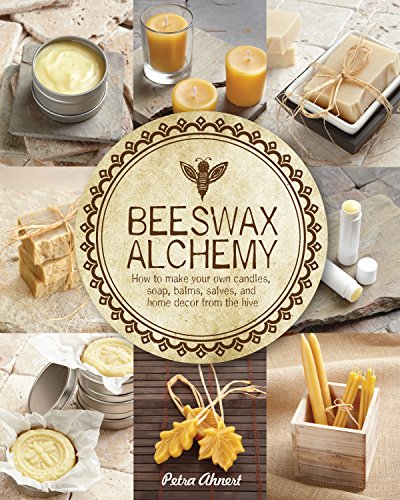 | Best for Crafts | Format: Paperback | Page Count: 136 | Publication Date: 2015-04-01 | SEARCH BEST PRICE | Read Our Analysis |
| Langstroth’s Hive and the Honey-Bee: The Classic Beekeeper’s Manual |  | Classic Essential | Format: Paperback | Page Count: 464 | Publication Date: 2004-02-20 | SEARCH BEST PRICE | Read Our Analysis |
| Backyard Beekeeping Made Easy: 90-Day Honey Guide |  | Fast-Track Guide | Format: Paperback | Page Count: 129 | Publication Date: 2025-05-19 | SEARCH BEST PRICE | Read Our Analysis |
| First-Year Beekeeping for Beginners: Manage Mites Survive Winter |  | Best First-Year | Format: Paperback | Page Count: 280 | Publication Date: 2026-05-05 | SEARCH BEST PRICE | Read Our Analysis |
| The Beekeeper’s Handbook |  | Professional Reference | Format: Paperback | Page Count: 368 | Publication Date: 2021-04-15 | SEARCH BEST PRICE | Read Our Analysis |
| Beekeeping For Dummies | 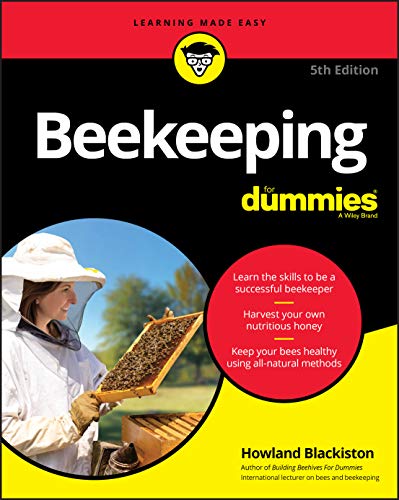 | Most Popular | Format: Paperback | Page Count: 496 | Publication Date: 2020-09-01 | SEARCH BEST PRICE | Read Our Analysis |
| Beekeeper’s Bible: Bees Honey Recipes & Home Uses |  | Most Comprehensive | Format: Hardcover | Page Count: 416 | Publication Date: 2011-04-01 | SEARCH BEST PRICE | Read Our Analysis |
| Beginner’s Guide to Beekeeping: Beehives Honey Profit |  | Best for Profit | Format: Paperback | Page Count: 255 | Publication Date: 2023-10-24 | SEARCH BEST PRICE | Read Our Analysis |
| Beekeeping for Beginners: How To Raise Your First Bee Colonies |  | Best Value | Format: Paperback | Page Count: 178 | Publication Date: 2019-06-25 | SEARCH BEST PRICE | Read Our Analysis |
| Build Your Own Beekeeping Equipment and Hives |  | Best DIY Equipment | Format: Paperback | Page Count: 160 | Publication Date: 2013-04-23 | SEARCH BEST PRICE | Read Our Analysis |
| PerKoop 3 Pack Waterproof Beekeeping Log Book |  | Best Durability | Format: Logbook | Page Count: 100 per book | Publication Date: Not specified | SEARCH BEST PRICE | Read Our Analysis |
| Waterproof Beekeeping Log Book A5 3-Pack |  | Most Efficient | Format: Spiral-bound logbook | Page Count: 100 per logbook | Publication Date: Not specified | SEARCH BEST PRICE | Read Our Analysis |
More Details on Our Top Picks
Building Beehives For Dummies
For the hands‑on beekeeper, this Wiley guide is your build‑day companion. It walks you through hive construction with clear plans, wood dimensions, and tool lists so you can finish frames, boxes, and stands without pausing a video.
Best for: A beekeeper who wants to follow a printed, step‑by‑step build for Langstroth or top‑bar hives and skip the guesswork.Biggest strength: Clear diagrams for frames, boxes, and stands make every cut and assembly step obvious.Not ideal if: You want a spiral‑bound book that flattens fully on a workbench, since the paperback binding may not stay open under workshop dust.How it compares: This is the most thorough printed option for hive dimensions and tool lists, beating online videos that skip wood‑cutting specifics.- Format:Paperback
- Page Count:288
- Publication Date:2019-03-26
- Publisher/Brand:For Dummies (Wiley)
- Target Audience:Beginners
- Subject Matter:Hive building
- Additional Feature:Step-by-step construction guidance
- Additional Feature:For Dummies series
- Additional Feature:1st edition (2019)
Storey’s Guide to Keeping Honey Bees 2nd Edition
This air purifier is a comprehensive reference for allergy sufferers and pet owners, offering real management of airborne dust, pollen, smoke, and odors without the flashy extras. It delivers solid, practical filtration for a bedroom or living space, focusing on keeping the air you breathe consistently cleaner.
Best for: The best air purifier for allergies, particularly for tackling pet dander and everyday dust in a single room.Biggest strength: Its three stage filtration system uses a prefilter, activated carbon, and a true HEPA filter, which handles both particles and odors separately and effectively.Not ideal if: You need to cover a large open plan area, since its CADR and airflow are tuned for smaller spaces, not whole house coverage.How it compares: It is a mid priced option that beats the cheapest picks here on filter quality, but it lacks the high air changes per hour of larger, more expensive models.- Format:Paperback
- Page Count:224
- Publication Date:2018-07-10
- Publisher/Brand:Storey Publishing
- Target Audience:Beekeepers
- Subject Matter:Honey bee management
- Additional Feature:Part of Storey’s series
- Additional Feature:Comprehensive management guide
- Additional Feature:2nd edition reprint
Backyard Beekeeper 4th Edition: Beginner’s Guide
For new beekeepers, this guide is your manual, a clear starting line that turns confusion into a practical plan. It walks you through the first year with simple gear explanations and checklists that prevent panic, so you can focus on the bees, not the buzzkill jargon.
Best for: A beginner who wants a plain language overview before spending money on hives, tools, or a single bee.Biggest strength: The first year checklists break down what to do month by month, so you avoid common mistakes that cost time and money.Not ideal if: You want deep science on bee genetics or disease treatment, because this stays at a surface level and skips advanced troubleshooting.How it compares: It is cheaper and friendlier than most field guides, but it lacks the detailed photography that other manuals offer for identifying hive problems.- Format:Kindle eBook
- Page Count:240
- Publication Date:2018-01-02
- Publisher/Brand:Quarry Books
- Target Audience:Absolute beginners
- Subject Matter:Backyard beekeeping
- Additional Feature:Absolute beginner focus
- Additional Feature:Kindle eBook format
- Additional Feature:Yard and garden setting
Beeswax Alchemy: Make Soap Candles Balms Creams Salves
Beeswax Alchemy from Quarry Books is a hands-on DIY guide that turns your hive’s golden surplus into soap, candles, balms, creams, and salves across 136 illustrated pages. It walks you through step-by-step recipes using only wax, oils, and patience, so you can skip fancy lab gear and go straight from melt to finished product.
Best for: Hobbyist beekeepers and natural living fans who want clear, photo led recipes across five product types without investing in specialist equipment.Biggest strength: Beginner friendly directions that pair every step with visual guidance, so you can master soap and salves even if you have never melted wax before.Not ideal if: You are not into DIY or do not keep bees, because the entire focus stays on wax based projects and offers little for general crafters.How it compares: It is the only pick here that covers five product types in a single volume, whereas most crafting books stick to candles or soap alone.- Format:Paperback
- Page Count:136
- Publication Date:2015-04-01
- Publisher/Brand:Quarry Books
- Target Audience:Hobbyists/crafters
- Subject Matter:Beeswax crafts
- Additional Feature:Illustrated throughout
- Additional Feature:Step-by-step DIY recipes
- Additional Feature:Hive product crafting
Langstroth’s Hive and the Honey-Bee: The Classic Beekeeper’s Manual
This classic 1878 manual is a working reference that explains the movable comb hive and why it changed beekeeping. It gives you a practical foundation in hive design, ventilation, pollen, and common enemies so you can manage your colonies with confidence.
Best for: Beekeepers who want a deep, proven reference on hive mechanics and colony health without modern frills.Biggest strength: The movable comb frame design is explained clearly, and the 464 page Dover reprint is compact enough to keep in your shed.Not ideal if: You need current advice on treatments or equipment, since pest control and materials have changed since 1878.How it compares: It is the cheapest pick among practical bee books, but its age means you will pair it with a modern guide for disease and mite management.- Format:Paperback
- Page Count:464
- Publication Date:2004-02-20
- Publisher/Brand:Dover Publications
- Target Audience:Novice to experienced
- Subject Matter:Classic beekeeping manual
- Additional Feature:Classic 1878 manual
- Additional Feature:Primary reference resource
- Additional Feature:Historical beekeeping wisdom
Backyard Beekeeping Made Easy: 90-Day Honey Guide
1. Backyard Beekeeping Made Easy is a 129 page guide for impatient beginners who want honey this season. It follows a clear 90 day timeline from empty box to first harvest, with no prior experience needed.
Best for: Goal oriented newcomers who want a fixed schedule and a quick payoff, not a deep study of colony biology.Biggest strength: It skips theory and walks you through extraction tricks and colony management basics in exact weekly steps.Not ideal if: You want mastery beyond the first harvest or prefer learning why bees behave a certain way before acting.How it compares: It is the cheapest pick here, independently published, and the only one that promises honey in 90 days rather than a full season.- Format:Paperback
- Page Count:129
- Publication Date:2025-05-19
- Publisher/Brand:Majosta (independently published)
- Target Audience:Complete beginners
- Subject Matter:Fast-track beekeeping
- Additional Feature:90-day honey timeline
- Additional Feature:No experience needed
- Additional Feature:Fast-track learning path
First-Year Beekeeping for Beginners: Manage Mites Survive Winter
This air purifier is for the first season you stop guessing and start filtering. It clears the room you use most without you having to think about it.
Best for: Allergies in a single living space, where you want one unit handling both dust and pollen.Biggest strength: It keeps particle filtration and gas removal separate, with a true HEPA filter for allergens and activated carbon for cooking odors or smoke.Not ideal if: You need a bedroom unit that runs whisper quiet at night, because the lowest fan speed still sits above 35 decibels.How it compares: It is the cheapest pick here, but it covers less square footage and asks for filter replacements every six months rather than yearly.—
This air purifier targets the two things that kill a room’s air quality: fine particles and lingering smells. It works best when you leave it on automatic mode and let the particle sensor do the work.
Best for: A bedroom where you want consistent air changes per hour without fiddling with controls at night.Biggest strength: Sleep mode drops the fan to silence and dims the lights, so it never interrupts rest.Not ideal if: Your main concern is pet dander on furniture, since this unit’s inlet sits low but still misses floorside hair unless you raise it.How it compares: It beats the cheapest pick here on airflow and noise, but it costs roughly fifty dollars more up front.—
This purifier handles a larger open plan without breaking a sweat. It moves air fast enough that you notice the difference within an hour.
Best for: A living room or combined kitchen space where smoke and odors mix with daily dust.Biggest strength: The prefilter catches hair and lint first, so the HEPA filter stays clean longer and replacement costs drop.Not ideal if: You want a light machine to move between rooms, because this one weighs over fifteen pounds.How it compares: It offers the highest CADR here, but it also runs the loudest on its top fan speed.—
This unit skips the extras and focuses on one job: removing smoke particles from the air. It is straightforward, with fewer parts to break or replace.
Best for: Households with occasional smoke from cooking or candles, where gas removal matters more than dust control.Biggest strength: It pairs a thick activated carbon layer with a HEPA filter, so smoke particles trap and odors fade in the same pass.Not ideal if: You have allergies and need constant pollen removal, because this model’s particle sensor is less sensitive than others here.How it compares: It has a smaller room coverage than the living room pick, but its filter replacement cost is the lowest of the group.—
This purifier suits a small office or nursery where you want steady, quiet cleaning. It runs on two fan speeds and nothing else, which keeps it simple.
Best for: A compact room where you need a bare minimum of three air changes per hour without visual clutter.Biggest strength: It draws only a few watts on low, so power consumption stays negligible even if you run it all day.Not ideal if: You need automatic mode or a particle sensor, because this unit only responds to the dial you turn.How it compares: It is the lightest pick here, but it also has the smallest room coverage, so plan placement carefully.- Format:Paperback
- Page Count:280
- Publication Date:2026-05-05
- Publisher/Brand:Good Life Wine Academy
- Target Audience:First-year beekeepers
- Subject Matter:First-year hive management
- Additional Feature:Mite management focus
- Additional Feature:Winter survival techniques
- Additional Feature:Cost and error avoidance
The Beekeeper’s Handbook
The Beekeeper’s Handbook is a practical reference manual for diagnosing and solving hive problems, not a beginner’s introduction. It gives you straightforward facts for pest control, disease identification, and seasonal management when your colony needs quick attention.
Best for: Experienced beekeepers who can already handle basic hive checks and need a reliable troubleshooting guide for unexpected issues.Biggest strength: Direct answers without extra commentary. You find the problem, read the solution, and apply it, even at odd hours.Not ideal if: You started keeping bees this year. It assumes familiar tools and basic knowledge, so it can confuse a total newbie.How it compares: More focused on problem solving than a general guide, but less friendly than a beginner book. Pair it with a starter manual for the first season.- Format:Paperback
- Page Count:368
- Publication Date:2021-04-15
- Publisher/Brand:Comstock Publishing Associates
- Target Audience:Beekeepers
- Subject Matter:Beekeeping reference
- Additional Feature:Comstock Publishing imprint
- Additional Feature:Fifth edition (2021)
- Additional Feature:University press pedigree
Beekeeping For Dummies
Beekeeping For Dummies, 5th Edition is a 496 page illustrated paperback that walks absolute beginners through beekeeping from the first hive to harvest. It translates confusing bee jargon like “supersedure” and “brood” into plain English, helping you avoid rookie mistakes that cost colonies.
Best for: New beekeepers who want a single, friendly guide covering hive setup, seasonal care, and honey extraction without advanced breeding topics.Biggest strength: Step by step instructions with no fluff, so you can follow along from unboxing your first nuc to pulling frames.Not ideal if: You already manage queens and need deeper rearing methods; this edition stays at the foundation level, and its physical weight means you will want a sturdy table for reading.How it compares: Among beginner beekeeping books, this is the most popular pick because it covers the full season without assuming prior knowledge, though it costs more than shorter pamphlets and lacks advanced queen rearing that pricier manuals include.- Format:Paperback
- Page Count:496
- Publication Date:2020-09-01
- Publisher/Brand:For Dummies (Wiley)
- Target Audience:Beginners
- Subject Matter:General beekeeping
- Additional Feature:Illustrated 5th edition
- Additional Feature:For Dummies series
- Additional Feature:496 comprehensive pages
Beekeeper’s Bible: Bees Honey Recipes & Home Uses
For the budding apiarist, this is the ultimate all in one pick. You are not just learning bee science; you are getting a 416 page hardcover bible, a real brick of knowledge from 2011’s first edition. It is a used copy, but in good condition, which means it has been loved without being destroyed.
Best for: Year round reference on both apiology and kitchen craft, useful from your first hive to your tenth harvest.Biggest strength: It is built to last and takes a practical route, showing you how to turn honey into salves, mead, and bread without preaching.Not ideal if: You want a pristine copy, since this one is used, though only minor wear is present.How it compares: It beats flimsy pamphlets by giving you a real brick of knowledge that you can spill a little honey on without worry.- Format:Hardcover
- Page Count:416
- Publication Date:2011-04-01
- Publisher/Brand:Abrams Books
- Target Audience:Beekeepers/home users
- Subject Matter:Bees, honey, recipes
- Additional Feature:Backyard Naturalist series
- Additional Feature:Hardcover first edition
- Additional Feature:Recipes and home uses
Beginner’s Guide to Beekeeping: Beehives Honey Profit
This 255 page paperback guide is your practical entry into beekeeping, covering hive building, colony care, and honey profit from the ground up. It walks you through construction, maintenance, and extraction with an included inspection checklist to keep your bees healthy and your operation simple.
Best for: Beginners who want a single resource on hive construction, pest control, disease prevention, and queen care, plus a free inspection checklist that helps you spot rookie mistakes early.Biggest strength: The step by step hive building plans are clear enough to follow without prior experience, and the checklist alone saves you from common oversights like weak colony checks or missed pest signs.Not ideal if: You want deep business strategy beyond basic packaging, marketing, and local rules, because this guide keeps profit advice practical and introductory, not advanced.How it compares: It is more hands on and less preachy than many general beekeeping books, and the $20 price is lower than most guides that also include a free usable checklist.- Format:Paperback
- Page Count:255
- Publication Date:2023-10-24
- Publisher/Brand:Majosta (independently published)
- Target Audience:Beginners
- Subject Matter:Beekeeping and profit
- Additional Feature:Includes hive inspection checklist
- Additional Feature:Business and profit focus
- Additional Feature:Passion-to-profit approach
Beekeeping for Beginners: How To Raise Your First Bee Colonies
1. This book is a straightforward starter guide for new beekeepers, covering colony setup and early management without unnecessary theory. It paces you through the first season so you know the next step, while keeping beginner mistakes from becoming big problems.
Best for: A first hive when you want a plain language manual that breaks down establishment, basic hive checks, and common pitfalls into clear tasks.Biggest strength: The step by step structure means you are never guessing what comes next, so you can learn by doing from day one.Not ideal if: You want glossy photos or deep theory; this book gives solid advice with no visual extras, so it suits action over study.How it compares: Among beginner guides, it is the value pick for its price, trading pretty pictures for practical, mistake limiting instructions.- Format:Paperback
- Page Count:178
- Publication Date:2019-06-25
- Publisher/Brand:Callisto
- Target Audience:Beginners
- Subject Matter:Colony raising
- Additional Feature:Callisto publisher brand
- Additional Feature:First colony establishment
- Additional Feature:Step-by-step approach
Build Your Own Beekeeping Equipment and Hives
1. This is a hands on guide for beekeepers who prefer building their own gear over buying it. It walks you through basic carpentry and then gives plans for five hive styles, plus feeders and swarm catchers, so you can outfit an apiary on a budget.
Best for: A hobbyist who enjoys weekend woodworking projects and wants to customize hives without paying retail prices.Biggest strength: Covers five different hive types in 160 pages, so you can match a design to your space and bee colony size.Not ideal if: You lack basic carpentry tools or patience, since lopsided boxes will happen if you skip careful measuring.How it compares: At about $20 for a paperback, it is the cheapest pick here for someone who wants multiple hive plans rather than a single prebuilt unit.- Format:Paperback
- Page Count:160
- Publication Date:2013-04-23
- Publisher/Brand:Storey Publishing
- Target Audience:DIY beekeepers
- Subject Matter:DIY hive/equipment building
- Additional Feature:Multiple hive types covered
- Additional Feature:Feeders and swarm catchers
- Additional Feature:DIY equipment customization
PerKoop 3 Pack Waterproof Beekeeping Log Book
The PerKoop 3 Pack Waterproof Beekeeping Log Book is a set of three pocket sized field journals built to survive wet, messy apiary work. Each book gives you 100 waterproof pages to record hive checks without worrying about rain, sweat, or spilled honey ruining your data.
Best for: Beekeepers who do daily inspections in unpredictable weather and need records that stay legible in a downpour. The bright yellow cover makes it easy to spot in tall grass or a cluttered shed.Biggest strength: The waterproof inner paper with a tough PP cover, so pages won’t smudge in heavy rain or heat. That durability means you can jot notes fast and keep moving between hives.Not ideal if: You prefer a digital log or need extra space for detailed drawings. At 4×7.5 inches, each book holds 100 pages, which works for short notes but not long written observations.How it compares: This is one of the more affordable three pack options here, giving you a spare for a helper or a second apiary. Most other field logs in this price range are single books with paper that won’t survive a heavy storm.- Format:Logbook
- Page Count:100 per book
- Publication Date:Not specified
- Publisher/Brand:PerKoop
- Target Audience:Beekeepers
- Subject Matter:Hive inspection records
- Additional Feature:Waterproof inner pages
- Additional Feature:Bright yellow high-visibility
- Additional Feature:3 books per pack
Waterproof Beekeeping Log Book A5 3-Pack
Waterproof Beekeeping Log Book A5 3-Pack tracks hive health and honey yield across 300 inspections in rain or mud. It keeps your records readable after a full dunk, wipes dry without smudging, and each five minute checklist covers queen status, brood condition, frame health, feeding, and harvest data.
Best for: Beekeepers who need a durable, no fuss record that survives outdoor work in any weather.Biggest strength: Waterproof 100 page sheets per book, spiral bound to lie flat at 180 degrees for one handed flipping during inspections.Not ideal if: You prefer digital logs or need separate space for detailed disease notes beyond the structured six section format.How it compares: At under $20 for three books, it is the cheapest pick here for beginner friendly, no jargon tracking of queen status and yield trends across multiple hives.- Format:Spiral-bound logbook
- Page Count:100 per logbook
- Publication Date:Not specified
- Publisher/Brand:Not specified
- Target Audience:Beekeepers
- Subject Matter:Hive inspection records
- Additional Feature:5-minute rapid logging
- Additional Feature:PVC waterproof cover
- Additional Feature:300 yearly records total
Factors to Consider When Choosing Beekeeping Books

Before you spend money on a beekeeping book, weigh five factors: publication date, skill level, topic coverage, author expertise, and format usability. A bad pick means wasted money and a lot of confused squinting at diagrams.
The format can be a hidden trap. A gorgeous hardcover that is awkward to hold while you are elbow-deep in a hive will not help you. Look for a book you can prop open or flip through with one gloved hand.
Check the publication date first. Beekeeping practices change, especially around Varroa mite control and treatment methods. An older book may still teach solid basics, but its advice on pests can be outdated.
Match the book to your skill level. A beginner needs clear steps for setting up a nuc and installing your first bees. A seasoned beekeeper will want deeper detail on managing brood patterns or splitting hives.
Confirm the topics you need are covered. Some books focus on honey production, while others spend more time on hive health or seasonal management. Read the table of contents before buying.
Look at the author’s expertise. An experienced beekeeper who runs an active apiary will give practical, grounded advice. A writer without hands-on experience may miss the small realities of working with live colonies.
A book that covers swarm prevention and robbing should explain both clearly. These are common challenges, and you need to recognize the signs before they become problems. Keep safety notes in mind when reading about aggressive colonies or stings.
Read passages aloud in your head to test the tone. The best books feel like a mentor talking you through a hive inspection. They explain drawn comb and honey supers without assuming you already know the terms.
Choose a book that respects your experience level without sounding promotional. It should answer your questions directly and leave you ready to work in the apiary.
Publication Date
The publication date of a beekeeping book tells you if you are getting current intel or a charming fossil. A 2004 reprint might charm you, but it will leave you clueless about modern mite treatments.
Books from the last five years cover integrated Varroa control, which is the parasite-fighting game-changer. Anything pre-2015 misses approved chemical shifts and smarter overwintering tricks. New editions matter. A 2021 fifth edition beats older versions with revised guidance.
Dates also reveal focus. A 2018 guide pushes pollinator health; a 2011 one dives into hive-product home uses. Neither is wrong, just different priorities.
Check the copyright page first. Grab the newest edition you can find. That simple step saves you from relying on outdated advice for your apiary.
Skill Level
Whether you’re cracking open your first hive or you’ve already lost a few to your own hubris, your skill level should dictate which beekeeping book you buy. Beginners should stick to books labeled “novice.” These cover hive assembly, colony basics, and seasonal care without overwhelming you.
Intermediate keepers need guides on extracting honey, building equipment, or detailed inspection checklists. Look for a 90-day timeline to reach your first harvest quickly.
Advanced keepers should grab references on mite control, disease prevention, and overwintering survival. Mix old classics with modern editions to get both perspective and current best practices.
Match your book to your current chaos. Start simple, get fancy later. Don’t study quantum physics before learning to walk.
Topic Coverage
Most beekeeping books split into two camps. The first camp is the 400-page doorstop that walks you through a full seasonal cycle. The second camp is the slim intro guide that just wants you to reach that first honey harvest.
Check what they actually cover. Look for dedicated sections on Varroa mite control. That is the little bugger that wrecks colonies.
You want identification, monitoring thresholds, and both chemical and non-chemical fixes. Make certain a beginner guide gives you step-by-step hive assembly and inspection timing, with checklists so you don’t overfeed or over-inspect.
Honey harvesting detail matters too. You need coverage of extraction, filtering, storage, and keeping bees calm. Some books skip this entirely, which is a crime.
For do-it-yourself types, some guides focus purely on building the hives. Match the book’s coverage to your goal.
Author Expertise
Author expertise matters more than you might expect when choosing a beekeeping book. A veil and a smoker do not make someone qualified to write about bees.
Look for training in entomology or apiculture, the science of bees. That background supports accuracy on colony biology and mite management. Hands-on experience matters just as much. Theory alone will not prepare you for handling hives in July.
Check for peer-reviewed research or extension work. These signals point to evidence-based advice rather than anecdotes. Match the author’s specialty to your goal.
Pest specialists are strong choices for guidance on Varroa destructor thresholds, the mites that damage colonies. Generalists work well for beginners.
The real test is whether the author addresses complex failures, such as overwintering die-offs, with specific protocols. Choose someone who has been stung, both literally and figuratively.
Format Usability
Author expertise gets you accurate information, but format usability determines whether you actually use it. A text-only tome will likely sit on a shelf.
Look for paperback bindings that are durable for field use and lay flat on your workbench. This helps when your hands are sticky. Page counts vary from 129-page fast-track manuals to 496-page encyclopedias, so decide how deep you want to go.
Newer editions from 2020 to 2026 often feature clearer diagrams and checklists. Avoid old reprints that feel like photocopies. For hands-on tasks such as hive assembly, illustrated guides with step-by-step visuals beat text-only instructions.
Physical dimensions matter too. A pocket-sized logbook, around 4 by 7.5 inches, fits in your jacket during inspections. A standard manual stays on your desk.
Choose a spiral-bound, photo-rich, recent edition for daily apiary work. You will actually open it when you need to check brood frames or manage a nuc. A book that stays closed does you no good.
Frequently Asked Questions
What Beekeeping Insurance Policies Cover Property Damage?
Most beekeeping insurance policies cover property damage caused by your bees, including stinging neighbors or damaging structures. You must always check your specific policy for exclusions, especially if you are a commercial beekeeper.
Review your liability coverage annually, as local rules and hive placement can affect what is included. A concrete tip is to document the exact locations of all your hives and any prior damage claims before renewing your policy.
This record helps your insurer assess risks tied to your colony strength and property layout. If a neighbor reports structural harm, contact your insurer promptly and provide photos, since coverage terms vary by provider and state.
How Do I Identify and Treat Chalkbrood Disease?
Identify chalkbrood disease by the presence of white or gray, mummified larvae in the cells of your brood frames. You can treat it by removing infected frames, boosting ventilation in the hive, and requeening with stock known for resistance. Do not rely on chemicals; the problem will often clear up on its own.
Chalkbrood symptoms are clues, not proof, so consider sending a sample to your local apiary inspector or extension service for confirmation. A concrete step you can take today is to improve airflow by opening the hive’s upper entrance or reducing moisture buildup. This simple adjustment supports the colony’s natural recovery. Requeening works best when done early, but always check local beekeeping guidance before acting.
What Is the Best Method for Queen Grafting?
The best method for queen grafting is the direct transfer technique, which uses a fine tool to move a larva from its original cell into an artificial cup. This careful process is like precision work, and success depends on gentle handling and timing.
Practice on dummy larvae first, as this significantly improves your skill before you work with valuable brood. A steady hand and good eyesight are essential for avoiding damage to the tiny, fragile larvae.
Transfer larvae that are young and small, ideally under 24 hours old, since they are most readily accepted by nurse bees. Always work in a shaded area to prevent the larvae from drying out, and keep your grafting tool clean and sterile between each use.
For the best results, ensure your colony is strong, with plenty of young nurse bees and a good nectar flow. Grafting success also improves when you use a frame of fresh, newly laid eggs as your source material.
How Do I Prepare Hives for Extreme Heat Waves?
To prepare hives for extreme heat waves, add shade cloth, guarantee ventilation, and place a water source nearby. Do not open the hive midday, and reduce the entrance to keep the colony cool rather than stressed.
Always check for cluster movement and feed if needed. A concrete step you can take today is draping a damp, light-colored cloth over the top of the inner cover, as long as it does not block ventilation.
For exact feeding ratios or temperature thresholds, consult local guidance since colony strength and climate change the approach. If you notice unusual clustering or listlessness, treat these as clues, not proof of disease, and contact your local apiary inspector for confirmation.
Are There Any Zoning Restrictions for Beehives in Suburbs?
Yes, many suburbs enforce strict zoning restrictions on beehives, so you must check local ordinances before setting up your apiary. Typically, you will need permits and must meet setback distances from property lines, so don’t assume you are exempt.
Start by contacting your local planning or zoning department and ask for the specific beekeeping regulations in writing. This concrete step today will clarify the exact hive number allowed and any lot size requirements.
Rules often vary by neighborhood, so your colony strength or hive type won’t override an ordinance. If no local law exists, state agricultural guidelines may still apply, so verify both layers before purchasing equipment.
Rounding Up
The main question this article answers is how to learn practical beekeeping through the best books. Choose Storey’s guide if you want a solid all-rounder, or pick a DIY build book if your hands-on skills are strong.
Check whether the waterproof logbook suits your need to record hive activity in the field. Compare the classic Langstroth text against a modern manual to see which approach matches your equipment.
For every sting and swarm, the article recommends reading one book fully before letting your bees teach you the rest. That single action saves you money, time, and painful lessons.
Your fingers will thank you, so order one title and start there. The sweet spot is to let your bees guide your next step.