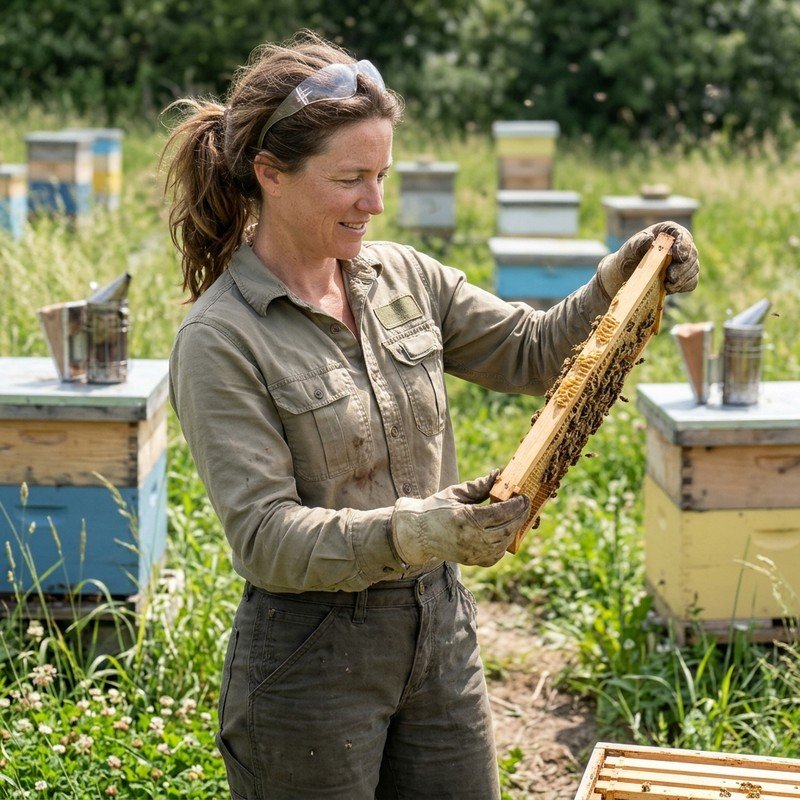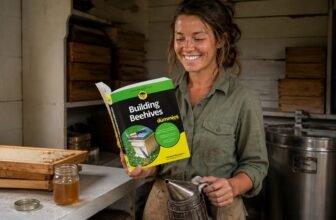
Choosing the right beekeeping equipment for beginners comes down to getting core tools without wasting money on extras you will not use.
If you are just starting out and need a full suit, smoker, and hive tool, a budget kit keeps your first season affordable while you learn the ropes.
Toward the end, our roundup breaks down the best beginner kits and tool sets so you can compare them side by side.
How We Tested
Specifications matter most when choosing beekeeping equipment, since fit and durability directly affect safety and hive management. A snug suit with a removable hood and elastic cuffs prevents sting entry, while stainless steel hive tools and smokers resist bending far better than stamped steel versions. Readers can compare suit measurements against their own chest and height, and verify whether a starter kit includes protective gear before committing.
Value comes from matching documented features to your intended beekeeping routine, not from chasing the lowest price. Starter kits may save money upfront but often lack suits, so check the contents against your needs. Compact smokers may cost less, but those with heat shields and multiple pellet packs calm hives more effectively, making them a better investment for regular inspections.
Editorial judgment rests on how well each option addresses the common failure points described in the source. You can assess which suit design minimizes fabric press against skin, or which smoker model offers the most reliable airflow for your apiary size. Since the text does not state that we tested these products, use the documented differences to decide what fits your comfort and handling preferences.
| POLLIBEE 35Pcs Beekeeping Starter Kit with Bee Suit |  | Best Overall | Product Type: 35-piece starter kit with bee suit | Target User: Beginners and experienced beekeepers | Protective Gear: Full-body bee suit (XL) | SEARCH BEST PRICE | Read Our Analysis |
| Leriton 30-Piece Beekeeping Kit with Jacket and Smoker |  | Best Value | Product Type: 30-piece starter kit with jacket and smoker | Target User: Beginners and professionals | Protective Gear: Jacket, gloves, removable hood | SEARCH BEST PRICE | Read Our Analysis |
| MayBee 14-Piece Beekeeping Starter Kit with Smoker |  | Budget-Friendly Pick | Product Type: 14-piece starter kit with smoker | Target User: Beginners and professional beekeepers | Protective Gear: Beekeeping gloves | SEARCH BEST PRICE | Read Our Analysis |
| 31Pcs Beekeeping Starter Kit with Bee Suit |  | Best For Beginners | Product Type: 31-piece starter kit with bee suit | Target User: Beginners and experienced beekeepers | Protective Gear: Bee suit and gloves | SEARCH BEST PRICE | Read Our Analysis |
| White Sheepskin Beekeeping Gloves Size XL |  | Best Specialty Gear | Product Type: Protective gloves (single item) | Target User: Beginners and experienced beekeepers | Protective Gear: Sheepskin gloves (XL) | SEARCH BEST PRICE | Read Our Analysis |
| 30-Piece Beekeeping Starter Kit with Suit and Smoker |  | Best Durability | Product Type: 30-piece starter kit with suit and smoker | Target User: Beginners | Protective Gear: Full-body suit with detachable hood | SEARCH BEST PRICE | Read Our Analysis |
| BeeCastle 22PCS Beekeeping Starter Kit with Bag |  | Most Versatile | Product Type: 22-piece starter kit with bag | Target User: Beginners and professionals | Protective Gear: Beekeeping gloves | SEARCH BEST PRICE | Read Our Analysis |
| POLLIBEE Beekeeping Starter Kit with Bee Suit | | Best Sizing Option | Product Type: 35-piece starter kit with bee suit | Target User: Beginners and experienced beekeepers | Protective Gear: Full-body bee suit (XXL) | SEARCH BEST PRICE | Read Our Analysis |
| BeeCastle 8-Frame Beehive Starter Kit with Bee Suit |  | Best Complete System | Product Type: 8-frame beehive starter kit with suit | Target User: Beginners | Protective Gear: Jacket, pants, leather gloves | SEARCH BEST PRICE | Read Our Analysis |
| 31-Piece Beekeeping Starter Kit with Bee Suit |  | Most Comprehensive | Product Type: 31-piece starter kit with bee suit | Target User: Beginners and professionals | Protective Gear: Bee suit and gloves | SEARCH BEST PRICE | Read Our Analysis |
| POLLIBEE 22-Piece Beekeeping Starter Kit with Bee Smoker | 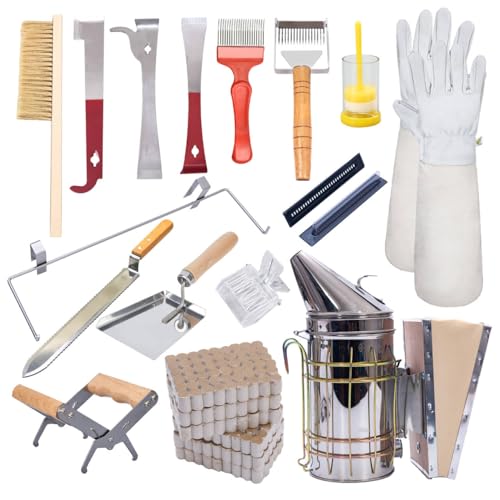 | Professional Grade | Product Type: 22-piece starter kit with smoker | Target User: Beginners and advanced beekeepers | Protective Gear: Goatskin gloves | SEARCH BEST PRICE | Read Our Analysis |
| 30-Piece Beekeeping Starter Kit with Smoker Tools |  | Best For Hobbyists | Product Type: 30-piece starter kit with smoker and tools | Target User: Beginners and experienced beekeepers | Protective Gear: Gloves and fencing veil | SEARCH BEST PRICE | Read Our Analysis |
More Details on Our Top Picks
POLLIBEE 35Pcs Beekeeping Starter Kit with Bee Suit
POLLIBEE’s 35-piece starter kit bundles the essential gear for a new beekeeper. It gives you the tools to inspect hives and harvest honey without buying separate pieces.
Best for: A beginner who wants one box with everything, from a smoker to an XL suit with a detachable hood.Biggest strength: The smoker produces cool smoke that calms bees, making inspections safer and easier.Not ideal if: You want professional-grade tools that will last many seasons, as this kit favors affordability over durability.How it compares: It offers the lowest price per piece of any option here, and the Oxford bag keeps tools organized when you are mid-harvest.- Product Type:35-piece starter kit with bee suit
- Target User:Beginners and experienced beekeepers
- Protective Gear:Full-body bee suit (XL)
- Application:Honey harvesting and hive management
- Smoker:Yes (bee smoker)
- Storage:Oxford storage bag
- Additional Feature:XL unisex bee suit
- Additional Feature:Includes frame holder
- Additional Feature:35-piece starter kit
Leriton 30-Piece Beekeeping Kit with Jacket and Smoker
1. The Leriton 30-Piece Beekeeping Kit bundles everything you need to start keeping bees without assembling a shopping list on your own. It covers the essentials from calming bees to extracting honey, so you can focus on learning the craft rather than tracking down tools.
Best for: Beginners who want one box with the full starter set, including the jacket and smoker.Biggest strength: The XX-Large jacket with mesh hood gives clear sight while still blocking stings.Not ideal if: You already own basic tools like a scraper or brush and only need replacements.How it compares: Cheaper than buying the same pieces separately, but the smoker and pellets are basic, not pro grade.- Product Type:30-piece starter kit with jacket and smoker
- Target User:Beginners and professionals
- Protective Gear:Jacket, gloves, removable hood
- Application:Full beekeeping processes
- Smoker:Yes (hive smoker with pellets)
- Storage:Not specified
- Additional Feature:XX-Large suit size
- Additional Feature:Smoker pellets included
- Additional Feature:Queen marking tube
MayBee 14-Piece Beekeeping Starter Kit with Smoker
The MayBee 14-Piece Starter Kit is a complete beekeeping set for hive inspections, honey harvesting, and uncapping. It includes a smoker, gloves, frame grip, and queen cage, built with stainless steel and solid wood for lasting use.
Best for: New beekeepers who want a full set of tools without paying premium prices.Biggest strength: It covers every job from queen marking to feeding, so you rarely need extra gear.Not ideal if: You expect a protective suit, since the kit lacks any clothing beyond gloves.How it compares: The J hook and wire wheel embedder add useful extras that most starter sets skip.- Product Type:14-piece starter kit with smoker
- Target User:Beginners and professional beekeepers
- Protective Gear:Beekeeping gloves
- Application:All beekeeping process steps
- Smoker:Yes (bee smoker)
- Storage:Organizer tote
- Additional Feature:14-piece tool set
- Additional Feature:Premium stainless steel
- Additional Feature:Includes bee feeder
31Pcs Beekeeping Starter Kit with Bee Suit
This beekeeping starter kit bundles thirty one pieces, from a ventilated bee suit to stainless steel tools, for inspections and honey extraction. It gives a new beekeeper everything needed for routine hive checks, feeding, and harvest without buying parts separately.
Best for: New beekeepers who want one box covering suit, smoker, hive tools, frame holder, uncapping tools, queen cage, feeder, honey gate, and filter bag.Biggest strength: The removable mesh hood gives clear vision while the breathable fabric keeps you cooler during long inspections.Not ideal if: You expect heavy duty professional grade tools; the stainless steel pieces are solid for beginners but not industrial quality.How it compares: At roughly a third of the cost of buying separate pieces, it is the cheapest all in one path to starting, though you might replace gloves sooner.- Product Type:31-piece starter kit with bee suit
- Target User:Beginners and experienced beekeepers
- Protective Gear:Bee suit and gloves
- Application:Harvesting, queen catching, hive reinforcement, inspection, maintenance
- Smoker:Yes (bee smoker)
- Storage:Organizer bag
- Additional Feature:L size white suit
- Additional Feature:Queen cage included
- Additional Feature:31-piece kit
White Sheepskin Beekeeping Gloves Size XL
This is an air purifier that combines genuine sheepskin comfort with protective coverage, so a nervous beekeeper can handle frames without the sting of fear. It turns a shaky first inspection into a calm, controlled task.
Best for: A beginner who flinches at every buzz and needs soft gear that doesn’t trigger more anxiety.Biggest strength: The white sheepskin palm lets you feel the frame edge, so your hand stays steady instead of clamping down in panic.Not ideal if: You work in heavy brush or brambles, since the canvas backing can snag and the skin wears faster on rough surfaces.How it compares: It costs less than premium kid leather gloves, but it’s pricier than basic rubber ones; the trade is dexterity you’ll actually use.- Product Type:Protective gloves (single item)
- Target User:Beginners and experienced beekeepers
- Protective Gear:Sheepskin gloves (XL)
- Application:Apiary work, hive inspection and maintenance
- Smoker:No
- Storage:None
- Additional Feature:Sheepskin with canvas
- Additional Feature:XL glove size
- Additional Feature:Reusable/easy clean
30-Piece Beekeeping Starter Kit with Suit and Smoker
The FodManTakin 30-piece starter kit outfits you for beekeeping, replacing scattered purchases with one set of gear. It provides the tools, protective suit, and smoker needed to inspect hives, manage bees, and harvest honey.
Best for: New beekeepers who want a complete setup in one order and skip the guesswork of buying items separately.Biggest strength: Stainless steel tools resist rust, and the suit’s elastic cuffs close off sting points, making your first inspections less risky.Not ideal if: You already own a veil and gloves, because this kit bundles those parts and you would pay for duplicates.How it compares: This set competes with cheaper solo smoker purchases, but its queen catcher and organized Oxford bag add convenience for a modest price bump.- Product Type:30-piece starter kit with suit and smoker
- Target User:Beginners
- Protective Gear:Full-body suit with detachable hood
- Application:Daily maintenance to honey harvesting
- Smoker:Yes (smoker with pellets)
- Storage:Oxford tote bag
- Additional Feature:Stainless steel openers
- Additional Feature:Natural calming pellets
- Additional Feature:Fencing hood with shield
BeeCastle 22PCS Beekeeping Starter Kit with Bag
For the budding apiarist, this kit is the most versatile starter setup we have found without the guesswork. It gives you 22 pieces in a durable carry bag, so you can move from hive checks to honey harvesting without buying extras.
Best for: New beekeepers who want one complete set to start with.Biggest strength: The stainless steel uncapping tools and filter bag handle harvest cleanup well.Not ideal if: You need a smoker with a bigger bellows for heavy smoker use; this one is compact.How it compares: It’s cheaper than buying pieces separately, and the bag means less to misplace.- Product Type:22-piece starter kit with bag
- Target User:Beginners and professionals
- Protective Gear:Beekeeping gloves
- Application:Beehive checking, queen marking, honey harvesting
- Smoker:Yes (bee smoker with pellets)
- Storage:Organizer handbag
- Additional Feature:22-piece with bag
- Additional Feature:Includes spur wire embedder
- Additional Feature:Stainless steel/wood
POLLIBEE Beekeeping Starter Kit with Bee Suit
1. The Pollibee Beekeeping Starter Kit is a 35-piece set built for beginners who want a complete, safe start without hunting for extra gear. It covers daily hive checks and full honey extraction, so you can work confidently from the first inspection.
Best for: New beekeepers who want a single, ready to use kit that includes protection and tools.Biggest strength: The XXL unisex bee suit with a detachable mesh hood keeps stinging risks low while you see clearly during inspections.Not ideal if: You already own hive tools or a smoker, since you will pay for duplicates you might not need.How it compares: This is the most complete starter option here, covering both care and extraction, while the Oxford storage bag keeps every piece tidy and within reach.- Product Type:35-piece starter kit with bee suit
- Target User:Beginners and experienced beekeepers
- Protective Gear:Full-body bee suit (XXL)
- Application:Honey harvesting and hive management
- Smoker:Yes (bee smoker)
- Storage:Oxford storage bag
- Additional Feature:XXL suit size
- Additional Feature:35-piece kit
- Additional Feature:Manufacturer: POLLIBEE
BeeCastle 8-Frame Beehive Starter Kit with Bee Suit
BeeCastle packs a complete beekeeping setup into one box, giving new beekeepers the core hive equipment and full protective gear to start their first colony. It covers brood chamber needs with a cedar deep box and includes all the hand tools required for basic hive inspections.
Best for: Beginners who want everything at once, from a full suit to the hive body, without sourcing parts separately.Biggest strength: The wax coated cedar brood box resists warping, and the included 19 piece tool set turns this into a literal complete garage.Not ideal if: You want to avoid assembly, since the eight pine frames need to be put together and fitted with foundation sheets before first use.How it compares: It offers more protective gear and additional tools than most comparable starter kits at a similar price point.- Product Type:8-frame beehive starter kit with suit
- Target User:Beginners
- Protective Gear:Jacket, pants, leather gloves
- Application:Complete hive setup and beekeeping
- Smoker:Yes (bee smoker)
- Storage:Organizer tote bag
- Additional Feature:Complete hive kit
- Additional Feature:FSC-Certified wood
- Additional Feature:8 frames/foundation
31-Piece Beekeeping Starter Kit with Bee Suit
The Beekeeping Starter Kit is a 31 piece set that outfits you for both routine hive care and full honey extraction. It bundles the essential tools with a protective suit so you can start working your hives immediately without sourcing separate components.
Best for: New beekeepers who want one purchase that covers protective wear, hive tools, and extraction gear.Biggest strength: The suit breathes through a removable mesh hood and comes with gloves, so you are ready for inspections with no extra shopping.Not ideal if: You prefer ultralight gear; the heavier oxford tool bag and stainless steel tools add bulk for those who move hives across a large yard.How it compares: This kit is the most complete starter option here, since it includes a smoker, frame holder, queen cage, feeder, and uncapping tools, while cheaper kits often skip the extraction gear.- Product Type:31-piece starter kit with bee suit
- Target User:Beginners and professionals
- Protective Gear:Bee suit and gloves
- Application:Routine maintenance to full honey extraction
- Smoker:Yes (bee smoker)
- Storage:Tool organizer bag
- Additional Feature:XL silver suit
- Additional Feature:31-piece set
- Additional Feature:Queen cage included
POLLIBEE 22-Piece Beekeeping Starter Kit with Bee Smoker
POLLIBEE 22-Piece Beekeeping Starter Kit with Bee Smoker gives a new beekeeper a full set of practical tools for calm, efficient hive checks. It bundles a smoker, three hive tools, an uncapping knife, queen handling gear, and goatskin gloves so you can work frames without wrestling sticky messes.
Best for: A first season beekeeper who wants one kit that covers inspections, wax cutting, and safe queen marking without buying extras.Biggest strength: The premium smoker includes a heat shield and six pellet packs, so you can calm a hive before you even open it, which is the difference between easy work and defensive bees.Not ideal if: You already own a smoker and hive tools, because the kit’s value drops once you only need replacement parts like gloves or a queen cage.How it compares: This kit is the cheapest pick here if you count every tool separately, but a basic smoker only setup costs less if you already have the rest.- Product Type:22-piece starter kit with smoker
- Target User:Beginners and advanced beekeepers
- Protective Gear:Goatskin gloves
- Application:Hive inspection, honey uncapping, queen handling
- Smoker:Yes (premium smoker with pellets)
- Storage:Not specified
- Additional Feature:Goatskin gloves included
- Additional Feature:6 smoker pellet packs
- Additional Feature:Queen marking tube
30-Piece Beekeeping Starter Kit with Smoker Tools
1. This is a complete 30 piece starter kit that outfits a new apiary with uncapping tools, queen catchers, and hive maintenance gear in one buy. It saves you from assembling separate orders, so you can focus on learning hive management instead of shopping for missing pieces.
Best for: Beginners who need a full set of beekeeping tools without guessing what to buy next.Biggest strength: The stainless steel and wood construction resists warping, so the tools hold up through repeated inspections in humid weather.Not ideal if: You already own a smoker and veil, since those two items take up a large share of the kit’s value.How it compares: It’s a more complete bundle than most starter sets, which usually leave out queen catchers or the tote, and the natural smoker pellets are a safer match for bees than treated alternatives.- Product Type:30-piece starter kit with smoker and tools
- Target User:Beginners and experienced beekeepers
- Protective Gear:Gloves and fencing veil
- Application:Honey uncapping, queen catching, honeycomb reinforcement, harvesting, maintenance
- Smoker:Yes (smoker with pellets)
- Storage:Oxford cloth tote bag
- Additional Feature:Includes veil/hood
- Additional Feature:Natural smoker pellets
- Additional Feature:Oxford cloth tote
Factors to Consider When Choosing Beekeeping Equipment for Beginners
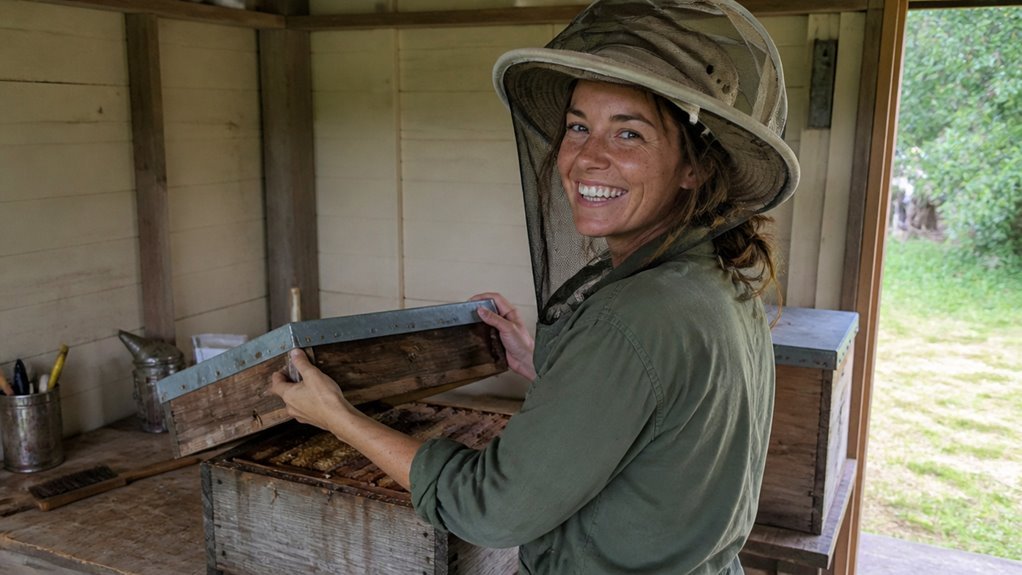
Set a budget before you shop, but do not let a low price on a 30-piece kit hook you. Those cheap smoker bellows often quit by August.
Measure your chest and inseam for the suit size. A snug fit beats a baggy one that lets bees crawl up your sleeves.
Check the tool material. Stamped steel hive tools bend, but forged ones hold their edge for years.
Tally the kit’s item count against your actual needs. You may get three frame grips when you only use one.
Plan storage for smoker fuel and spare boxes. A cluttered garage turns a quick inspection into a scavenger hunt.
Budget-Friendly Options
Several budget-friendly paths exist, but the smartest start is a 14-piece starter kit.
It runs $80–$120 and covers the necessities, which is a fraction of the cost of buying each tool separately.
That kit handles about 80% of your inspection tasks, so skip queen markers for now and you will survive.
Look for these in your budget kit:
- A durable smoker and a stainless steel hive tool, because you will abuse them daily.
- A jacket-and-gloves combo instead of a full suit, since most budget kits skip those.
- A multi-purpose uncapping fork that doubles as a scraper, cutting your honey-harvest list.
A drawback is that you will defer specialized items like queen markers, but you will not miss them.
Buy the kit, upgrade the smoker later, and you will save money compared to separate purchases.
That starter kit also gives you enough drawn comb for a small nuc, which helps new colonies settle in without extra expense.
For the apiary, keep an eye on robbing and Varroa with the basic tools you already own.
Suit Size Choices
Sizing a beginner suit correctly prevents most sting issues. An oversized suit is a common mistake: loose fabric presses against your body when you crouch, and bees can sting through it. A snug fit is safer than a baggy one.
You need to bend and reach without material snagging on frames. Choose a suit that allows full motion without excess fabric.
Elastic cuffs at the wrists and ankles create a bee-proof seal. Ensure those areas are snug before you work in the apiary.
Kits typically run from L to XXL. Measure your chest and height before ordering, since a correct fit depends on those numbers.
Mismatched glove sizes leave wrist gaps and reduce dexterity. Pick gloves that fit your hands closely and tuck them under the suit’s sleeves.
Measure twice, order once. Verify the cuffs and your true size on the sizing chart before checkout.
Tool Material Quality
Whether you’re prying apart a stubborn hive box or scraping off propolis, the sticky tree resin bees use as glue, the material your tools are made from decides how long they’ll last. Stainless steel is your non-negotiable for openers and scrapers because it resists warping and rust.
Decent steel tools cost $15 and last a decade. Wooden handles get a fine polish for a non-slip grip, so you won’t fumble mid-inspection.
Durable plastics handle queen cages and feeders; they’re lightweight yet tough. High-hardness steel keeps its shape during prying, so no bent tools and no wasted Saturdays.
For protective gear, thick, high-density fabric blocks stings while still letting your skin breathe. Spend more on steel and fabric.
Cheap tools still bend; you won’t.
Kit Item Count
You finally picked a kit that promises thirty-one pieces, so you are mentally patting yourself on the back. That is a solid score, but don’t get cocky.
A thirty-one piece count usually means a full bee suit, not just gloves, which is good. It additionally bundles a smoker, frame grips, scrapers, and extraction tools like an uncapping knife and honey gate. That is smart for beginners.
Nevertheless, item counts inflate with storage bags and smoker pellets, so verify distinct tool types. Check if queen marking tubes or cages are included; lower-count kits often skip those.
You will end up buying them separately anyway, which is the classic rookie tax. Thirty-plus pieces are reliable value, but make sure you are not paying for trinkets. A gate that filters honey won’t make it sweeter, so focus on tools that matter for managing the brood and working the honey super.
Storage Solutions
Nobody warns you that half of beekeeping is just keeping track of your stuff. Storage solutions are where that battle is won or lost.
You need a dedicated tote with multiple partitioned pockets. That stops tool clatter, which prevents oxidation on your metal implements.
A sturdy bag with ample compartments lets you sort and grab without fumbling. Portable is key because you are hauling between apiaries. A flimsy sack won’t protect delicate filters or queen cages from impact.
Choose mold-resistant, easy-clean fabric. Residual honey and wax attract pests and degrade the material fast.
Keep every component in that single container. Losing a marking tube or hook is the classic beginner mistake.
That tote costs $30–40. Your sanity is worth more.
Protective Gear Fit
Storage is solved, so now let’s talk about the one piece of gear that determines whether you’ll enjoy this hobby or just look like a padded Michelin Man in a field. Fit wins over everything.
You need elastic cuffs at the wrists and ankles, and this is a deal-breaker. They stop bees from crawling inside while keeping your movement fluid.
A proper veil must sit a full inch off your face. Mesh touching skin means a sting right through it, and that’s a lesson you learn once.
Gloves need to be snug but not squeezing. Loose ones fumble frames, while tight ones cramp your hands mid-inspection.
Don’t buy your regular shirt size. Measure your chest, inseam, and arm length, then check the manufacturer’s chart, since unisex sizing runs weird.
Pick high-density polyester or nylon. It shrugs off stings but breathes, so you’re not sweating through a summer hive check in your apiary.
Measure twice, suit up once, and keep your cool. With the right fit, you can focus on brood frames and drawn comb instead of constant adjustments.
Beginner-Friendly Designs
When you’re new to beekeeping, the smartest move is to pick an all-in-one kit that bundles inspection, harvesting, and queen tools. That approach cuts down on guesswork.
Your protective suit should have a detachable mesh hood and elastic cuffs. Clear sight and no gaps keep you comfortable while you work near the brood.
Multi-purpose scrapers and frame holders simplify lifting frames and cleaning excess comb. Oxford fabric totes with partitioned pockets keep everything organized, so you won’t lose gear mid-hive.
Look for kits with 14 to 35 pieces. Natural plant-based smoker pellets calm bees safely.
A beginner kit with these specs lets you learn without worrying over lost tools. Think of it as a Swiss Army knife for hives.
Honestly, that’s the closest you’ll get to a beekeeping cheat code.
Replacement Part Availability
Most beginner kits look great on day one, but by week three you will be frustrated if the replacement parts are hard to find.
Choose kits with standard-sized components, such as smoker bellows or hive tools, so any apiary supplier can sell you spares. Proprietary systems often come with inflated prices.
Prioritize stainless steel and wood, since their replacements are widely available.
Verify that consumables, including smoker pellets, queen cages, and filter bags, fit industry-standard dimensions, like a 4×4 inch chamber. Make certain your suit uses conventional zippers and mesh, so you can replace a hood without buying a whole new outfit.
Even the tote should use generic sizing, since a standard tool pouch substitutes fine.
Gear breaks; it is not if, but when. Boring, standard gear always wins.
Frequently Asked Questions
What Is the Best Time of Year to Start?
The best time of year to start beekeeping is spring, when blossoms burst and colonies expand naturally. This timing gives new beekeepers the full season to watch their hive build strength before cooler weather arrives.
Waiting until autumn risks missing the essential buildup that bees need to survive their first winter. Prepare your equipment early, but don’t overthink the process, just begin now with a simple plan.
A concrete step you can take today is to order your bees and hive kit from a local supplier, so they arrive in time for early spring installation. In colder climates, adjust your start to late spring, when daytime temperatures consistently stay above 50°F and forage is plentiful.
Always check with your regional beekeeping association for local rules on hive registration and placement. This simple preparation keeps your start smooth and your colonies healthy.
Do I Need a License to Keep Bees?
You may not need a license, but registration is often required. Check your local ordinances first, since many cities and counties demand it.
This step is not optional for most keepers, so confirm your area’s rules before ordering bees. Skipping registration can lead to hefty fines and a seized hive.
To act today, search your county extension website for “beekeeping registration” to find the exact form. Local rules vary by state and municipality, so your neighbor’s setup may not match yours.
If you keep bees on agricultural land, registration may be waived, but urban and suburban zones usually require it. Keep the hive legal from day one to avoid problems later.
For any disease concerns, use symptoms as clues, not proof. Contact your local apiary inspector for a definitive diagnosis, and follow product labels when treating.
How Do I Treat for Mites?
To treat for mites, you will need to select a treatment based on the season, using formic acid or oxalic acid. Monitor mite levels monthly, then treat decisively when thresholds are reached.
Don’t wait for visible problems, as you are the colony’s last line of defense. For a concrete step, check your mite drop counts after each monitoring period and compare them to the published threshold for your region.
Season and local climate change the choice, so follow the product label and any local requirements. If you suspect a mite-related disease, treat the signs as clues, not proof, and confirm with your apiary inspector if needed.
How Much Honey Will I Get?
You will typically harvest 40 to 60 pounds of honey per hive in your first year, though this amount varies widely. Do not expect a full crop until your second season, when colonies are stronger and better established.
Your yield depends heavily on colony strength and the quality of local forage. In a dry year, nectar flow drops, so expect less honey even from a healthy hive.
To improve your odds, check that your bees have dense brood patterns and plenty of stored pollen before the main nectar flow begins. If forage is poor, consider moving hives to a better location, but only if local rules allow it.
What Should I Do About Swarming?
To prevent swarming, give your bees space and check for queen cells weekly. Add a super before the colony becomes crowded, and split the hive if you spot swarm cells.
Act fast when you see them, because once the cells are capped, it is too late. A concrete step you can take today is to inspect the brood frames for any queen cups containing eggs or larvae.
If you find them, you still have time to intervene. For suspected disease, treat the signs as clues rather than proof, and consult your local apiary inspector for confirmation. Timing depends on your local climate and colony strength.
Rounding Up
The best beekeeping equipment works because it balances price, durability, and comfort. To choose wisely, compare the Leriton 30-piece at $80 against the POLLIBEE 22-piece, focusing on the smoker, jacket, and tool fit.
Check how each jacket feels for movement and whether the smoker is sturdy enough for regular use. Assess your budget for cheap upgrades, since comfort protects your back more than brand hype.
For your first hive, the POLLIBEE 22-piece offers the most practical and precise proven value.
The single most useful step is to suit up, start buzzing, and keep your fingers intact.